We use cookies
Using our site means you agree to the use of cookies and similar technologies. Read about our policy and how to disable them here
Whether you are choosing your first foil or upgrading to FIE competition kit, this guide explains what to look for across clothing, masks, weapons, shoes, socks and bags. You will also find complete size charts to help you order with confidence.
A complete kit checklist, a sensible buying order and a clear explanation of every item.
Purchasing for ChildrenHow to confirm handedness, take accurate measurements and choose the right blade size for each age group.
Safety Standards: FIE vs Non-FIEWhat the 350N, 800N and 1600N ratings mean, plus guidance on national requirements.
Size ChartsUse the instant size finder or check the complete adult and junior measurement charts.
Caring for Your KitHow to wash protective clothing safely and help prevent rust on your weapons.
How to size and customise jackets, breeches, plastrons, lamés and gloves.
MasksCompare the three details that matter most: safety level, bib style and fitting system.
Weapons & ComponentsUnderstand blades, grips, guards and sockets, then choose a complete weapon or build your own.
Shoes & SocksChoose the right grip, support and flexibility for footwork, then compare our three sock ranges.
BagsFrom the Vertex to the FreeRoller, find the right bag for your equipment and travel needs.
Choosing fencing equipment can feel daunting, particularly if you are new to the sport or buying for a child. Select a weapon to see a tailored checklist.
Mandatory for women: protects the breasts, ribs and sternum during bouts.
Recommended for children: provides extra cushioning to improve comfort and confidence.
Optional for men: helps reduce the impact of direct hits to the chest.
You will also need a weapon (Foil, Épée or Sabre), body wires and the correct sockets and points for electric scoring. See the Weapons section for details.
Many clubs lend equipment during beginner courses. As you progress, they may encourage you to buy your own so shared kit remains available to new fencers. You then have two options:
A starter kit is usually the best-value option, with a complete set costing over 15% less than the same items bought separately. Kits are available for all three weapons, with component choices for different budgets and a strong foundation for future upgrades.
Shop Starter KitsBuild your kit gradually as your needs develop. This approach works well if you are replacing borrowed club equipment one item at a time. Follow the buying order below to prioritise the most important protection.
What to buy firstIf you prefer to buy individual items, we recommend the following order. Your coach or club may suggest small changes based on local requirements.
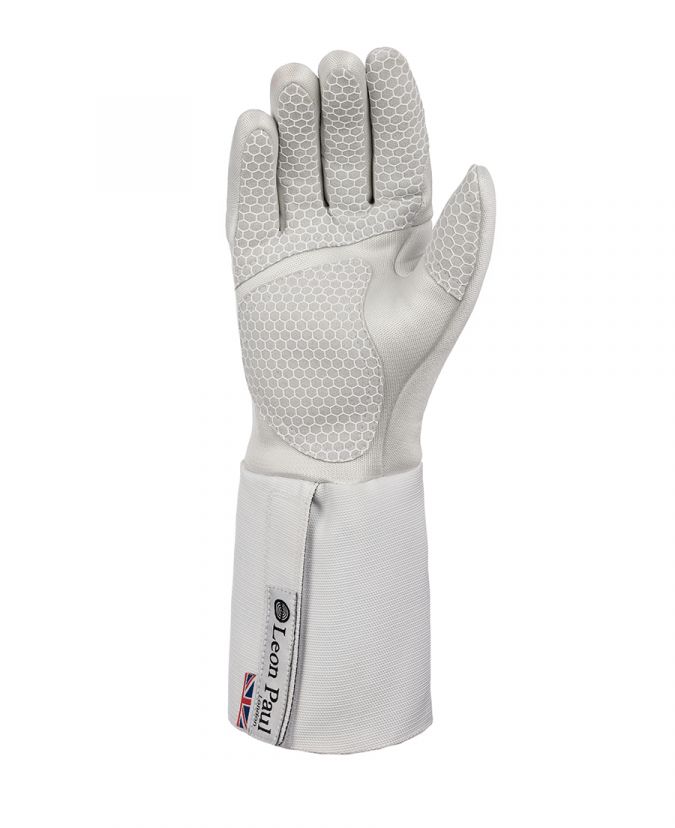
Non-electric gloves are available, but an electric glove with a Velcro cuff is usually the more practical choice. It makes it easy to connect the bodywire from beneath your sleeve to an electric weapon. The Advanced fencing glove is our most popular option, while FIE gloves are increasingly chosen for their additional protection and durability.
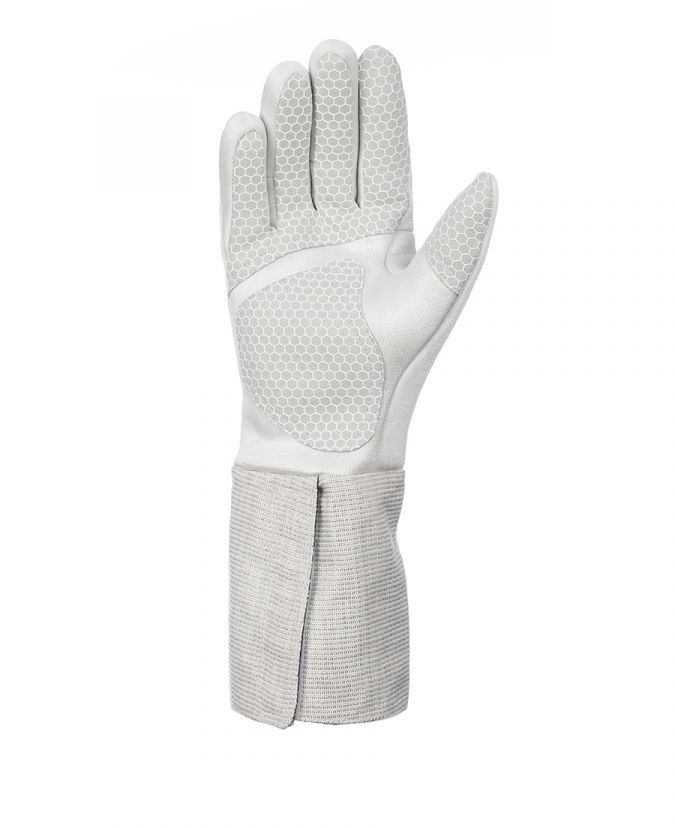
A manchette is a conductive cuff worn by sabre fencers over a non-conductive glove cuff. It allows the scoring system to register valid hits to the forearm.
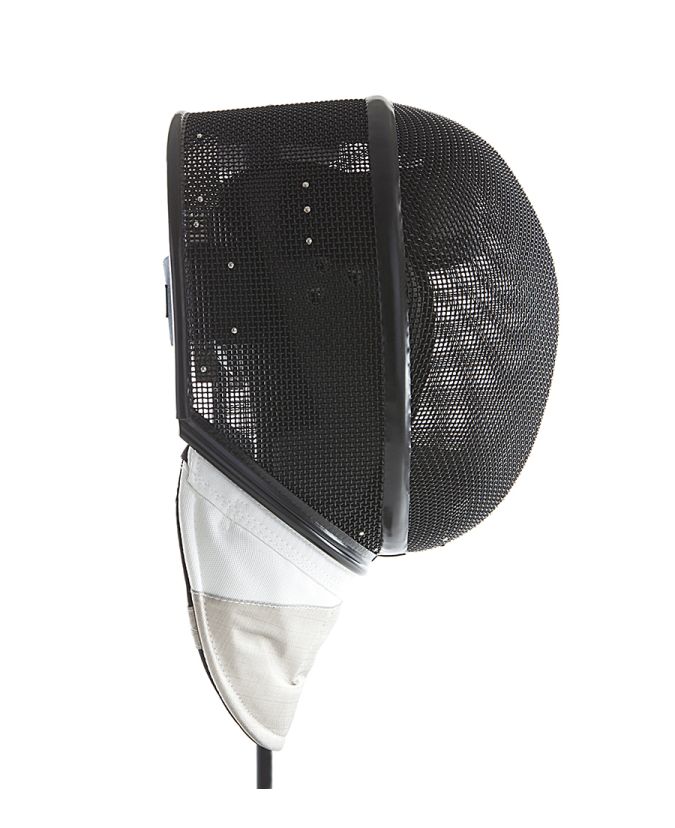
A good-quality mask should be one of your first purchases. Like a pair of shoes, it becomes more comfortable as it settles to your shape. Each weapon uses a different mask, with FIE and non-FIE (350N) options available. New Foil and Épée fencers should consider the Horizon or Arena, depending on age and national federation requirements. For our highest specification, choose an X-Change mask. If your club uses Leon Paul masks, check the label or the colour-coded washers on top: yellow = S, blue = M, red = L, black = XL.
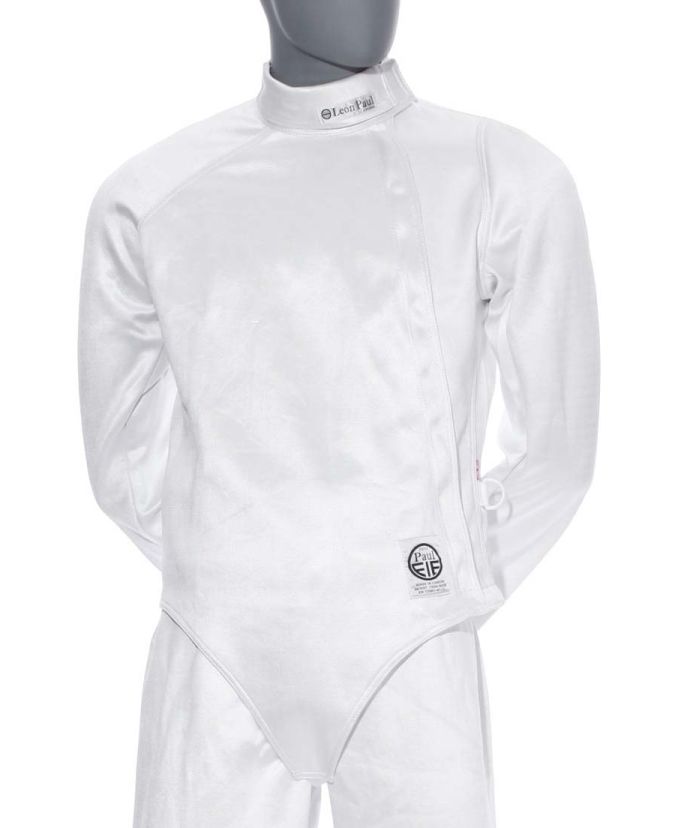
Most clubs provide back-zip jackets, so moving to your own front-zip jacket can make a noticeable difference to comfort and convenience. The Phoenix range is an excellent starting point for most fencers. For greater protection, the Team range is a strong long-term investment.
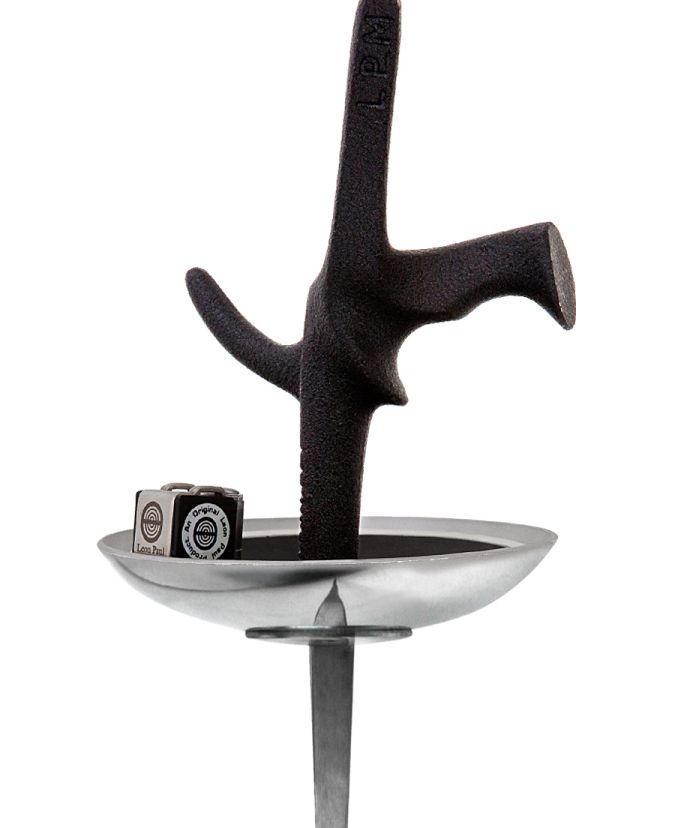
A weapon is often the most exciting first purchase, but waiting a few months allows your technique and preferences to develop. Many fencers begin with a traditional French grip before moving to a pistol grip. We recommend a basic blade for children. Adults generally benefit from an FIE (Maraging steel) blade. It costs more initially, but usually lasts longer, resists permanent bends and can offer better value over time.
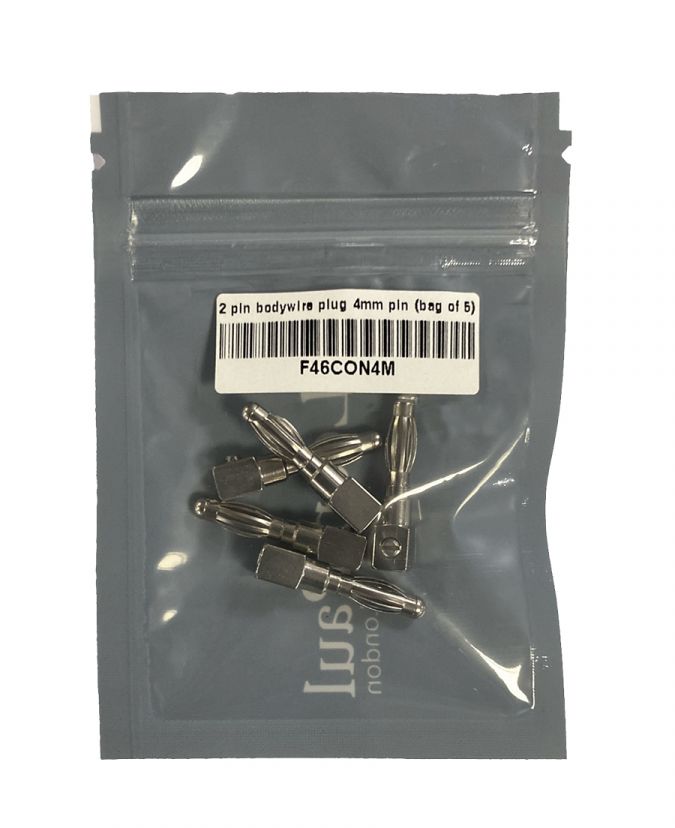
In the UK, many foilists use the bayonet twist-and-push system. In continental Europe and the USA, the 2-pin system is more common. The FIE now favours 2-pin, so it is widely used at high-level international events. Quality varies, and cheaper bodywires may use parts and cable that need more frequent replacement.
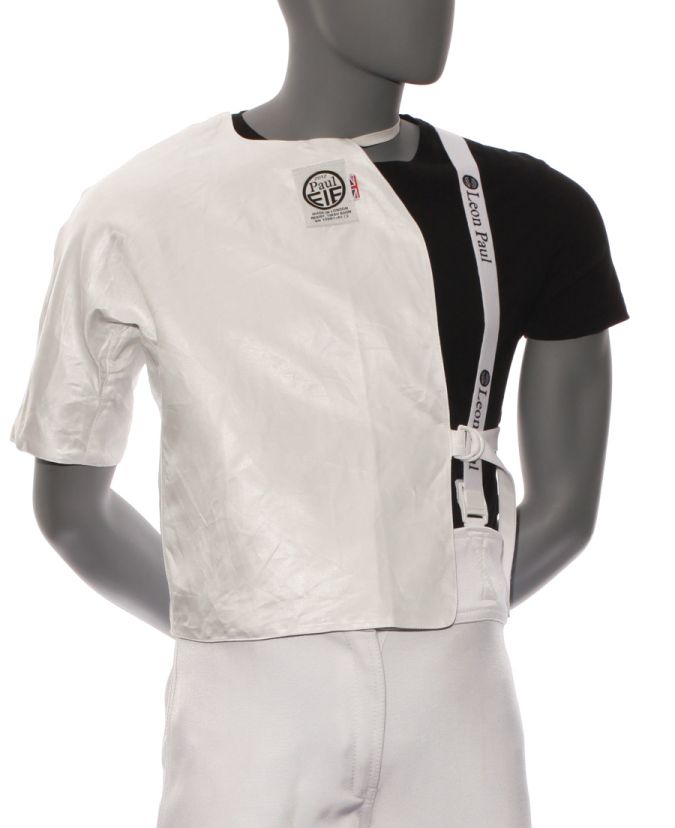
A 350N plastron can be suitable for non-electric or children's fencing, but an FIE 800N plastron provides substantially greater protection for a modest additional cost. In the UK, FIE is usually the best choice because it is mandatory for electric fencing. Our lightweight FIE plastron is exceptionally thin and light, so it is barely noticeable when worn.
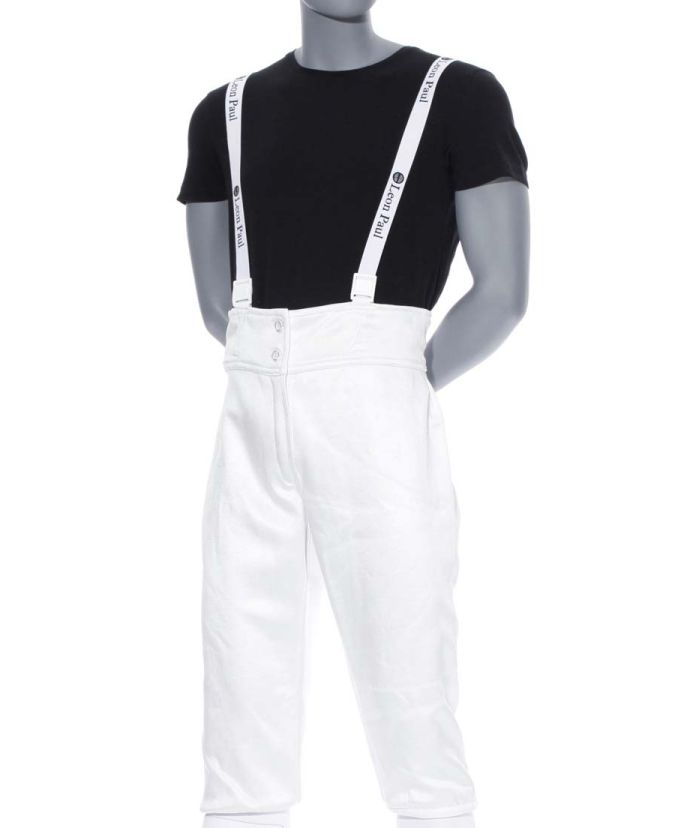
Breeches are available in several styles. Most fencers choose the same range and material as their jacket for a consistent fit, feel and appearance.
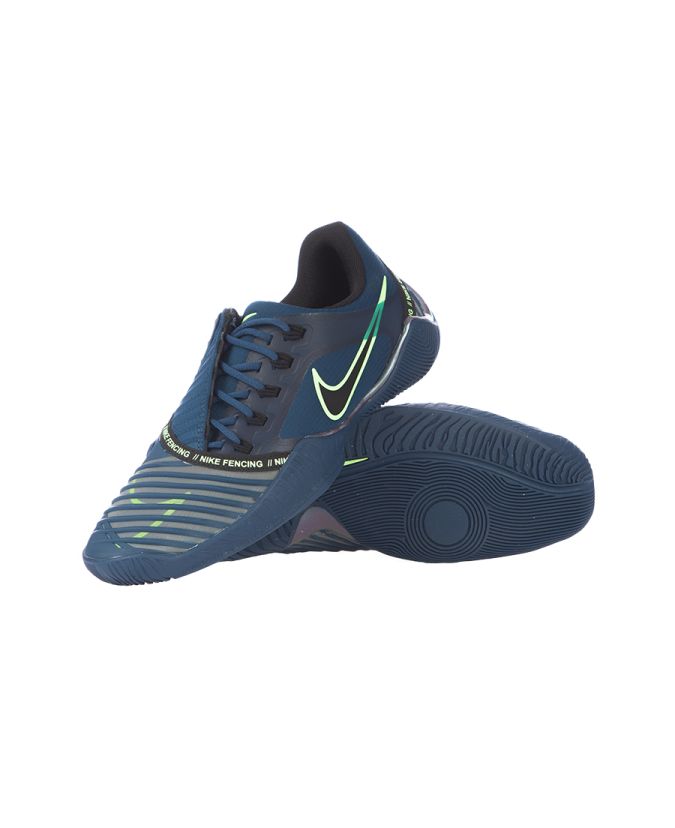
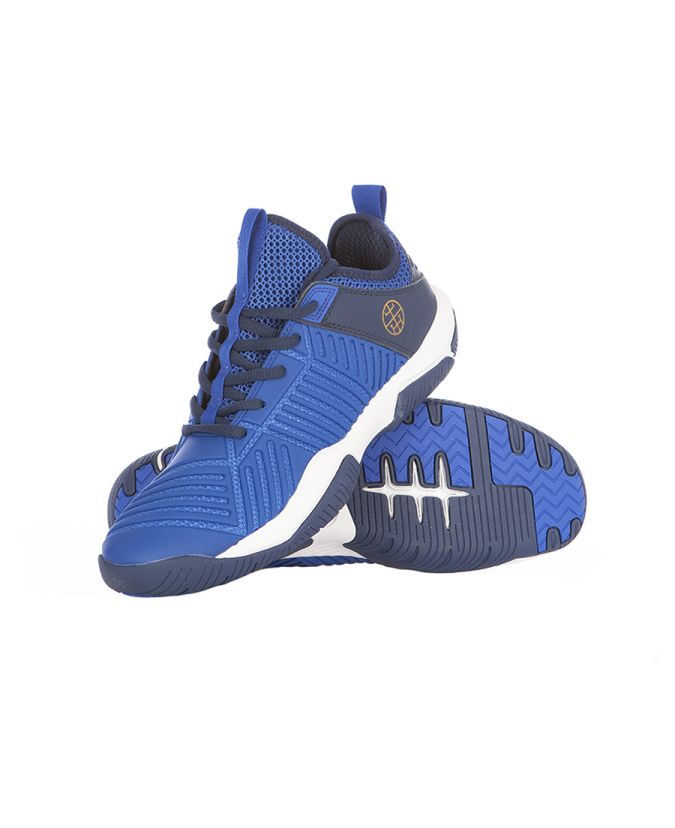
Fencing shoes become more important as a fencer advances, although many beginners value their improved grip and purpose-shaped sole. As a general fit guide, Adidas styles are very narrow and many people choose half a size larger. Hi-Tec styles are wider, while Nike shoes sit near the middle of the width range and are among the lightest available.
Our recommended buying order is the same for children and adults, but parents and grandparents should consider a few additional details. If you need help, our team is happy to answer questions by phone or email.
Protective fencing clothing follows its own sizing system. Age and height can provide an estimate, but accurate ordering requires the child's full height and the following four measurements:
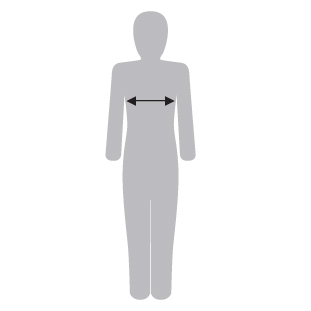
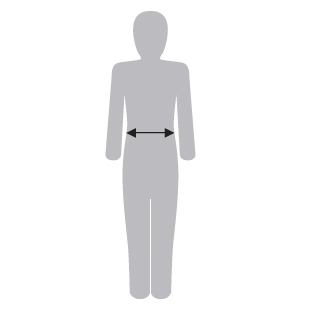
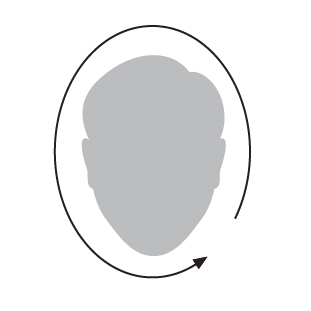
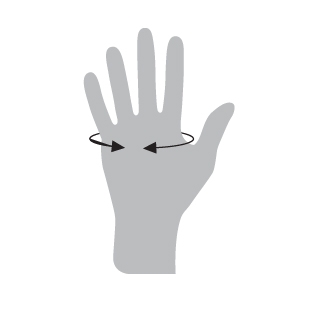
Enter the measurements in the size finder, then consider choosing a slightly larger size to allow room for growth.
Weapon and blade sizes are based on age. Younger fencers use shorter, lighter and more flexible blades. Confirm the child's age group, then check the blade size tables in the Weapons section. In the UK, Foil fencers aged 10–14 use a size 3 blade. In the rest of the world, they use a size 2.
The “N” shown on fencing equipment stands for newtons and indicates the minimum force required for a blade to penetrate the material. A higher rating means greater penetration resistance.
| 350N Non-FIE | FIE 800N clothing / 1600N mask bibs | |
|---|---|---|
| Best for | Beginners, club fencing, domestic competition | International competition and maximum protection |
| Clothing | Withstands minimum 350N | Withstands at least 800N and is mandatory internationally |
| Masks | 350N bibs (Horizon, Arena, Club ranges) | FIE X-Change masks with 1600N bibs |
| Blades | Carbon steel, durable and good value | Maraging steel, lighter, more flexible and certified |
| Minimum 350N | Minimum FIE 800N | No minimum |
|---|---|---|
 UK UK  France France  Australia Australia  Canada Canada |
 Italy Italy  Germany Germany |
 USA USA |
Requirements vary by country, so new fencers should check with their coach or national federation before buying. Even where FIE equipment is not mandatory, it offers the highest standard of protection and performance, and we recommend it when the budget allows.
Leon Paul sizes are based on imperial measurements in inches. Children's equipment is sized by body measurement rather than age, so measure carefully and consider allowing a little room for growth.
Apex FIE Jacket Apex FIE Breeches 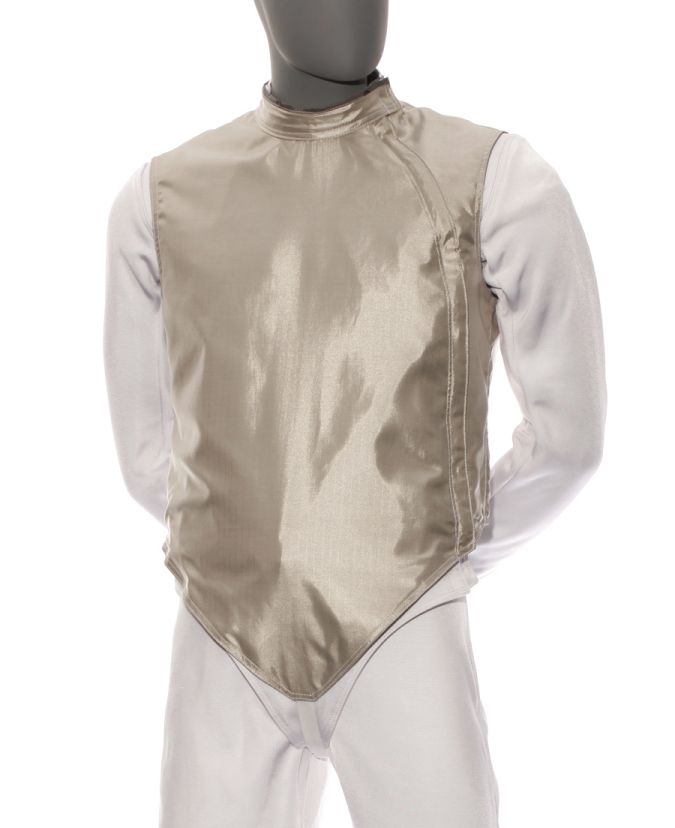 Lightweight Foil Lamé Lightweight FIE Plastron FIE ExoSkin II Glove
Use the size finder and complete charts below. Most product pages also include a Size Guide link in the top-right corner with product-specific measurements. Need a tape measure? Download a printable PDF tape measure.
The Econoguard and Masterguard protect the chest and sides, with adjustable elastic straps for a secure fit. Measure beneath and around the bust while wearing a well-fitting everyday bra, then consult the chart on the relevant product page.
Under FIE regulations, international fencers must display their surname and country in blue lettering on the back of the jacket for Épée, or on the lamé for Foil and Sabre. The limit is 10 characters, and the service can be selected using the customisation tick box on each product page. National federation logos are applied to both breeches legs and jacket arms.
Every Leon Paul mask uses stainless-steel mesh and includes an additional safety strap. Compare three key features before choosing: safety level, bib style and fitting system.
Designed for high-level fencers, this is our lightest and most breathable mask. It is fully washable, with replaceable and upgradeable parts for a longer working life. FIE specification is required for international competition.
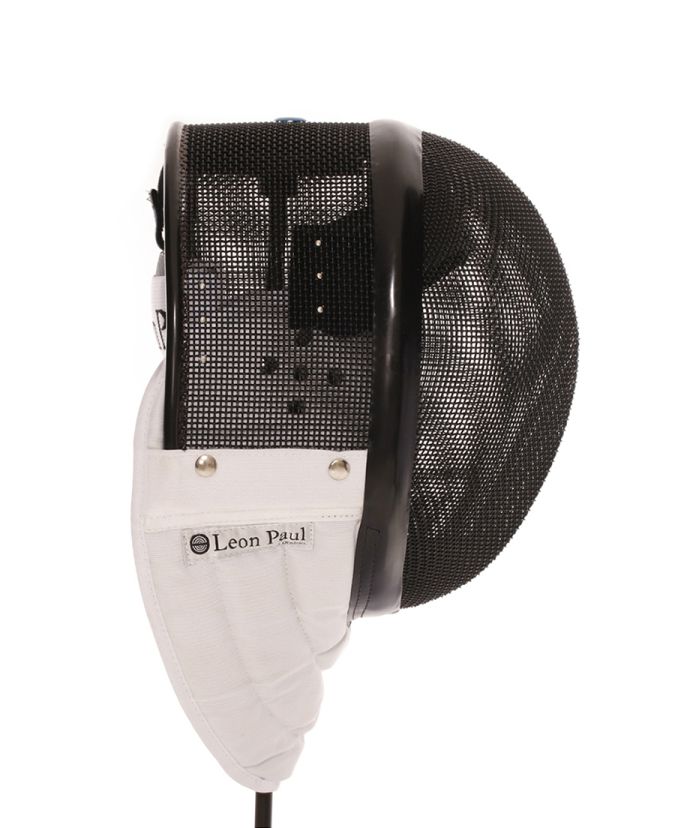
Available in the Horizon, Arena and Club ranges. These masks are ideal for beginners and club fencing, but they are not permitted at international competitions.
X-Change masks are available in black, white, red and blue. You can add side text of up to eight characters, choose an FIE-approved country flag, or request a bespoke design via [email protected]. Allow 2–3 working days.
There are two ways to buy. Choose a recommended complete weapon by selecting the hand and blade size, or use the custom weapon creator to specify every component, including the hand, blade, guard, pad, socket, grip and pommel.
| Age | Foil | Épée | Sabre |
|---|---|---|---|
| 15+ (adults) | Size 5 | Size 5 | Size 5 |
| 10–14 years | Size 3 | Size 2 | Size 2 |
| Under 10 | Size 0 | Size 0 | Size 0 |
| Age | Foil | Épée | Sabre |
|---|---|---|---|
| 15+ (adults) | Size 5 | Size 5 | Size 5 |
| 10–14 years | Size 2 | Size 2 | Size 2 |
| Under 10 | Size 0 | Size 0 | Size 0 |
The tang is the part of the blade that extends into the handle. Its length determines which grips will fit:
A good fencing shoe should provide grip for precise footwork and lunges, support for repeated impact, and lightweight flexibility for fast reactions. Our best-selling Nike Ballestra 2 combines a specialised rubber sole with reinforced panels and a lightweight construction.
To extend the life of your shoes, clean them regularly, let them air dry after every session and reserve them for fencing. Replace them when the soles show significant wear.
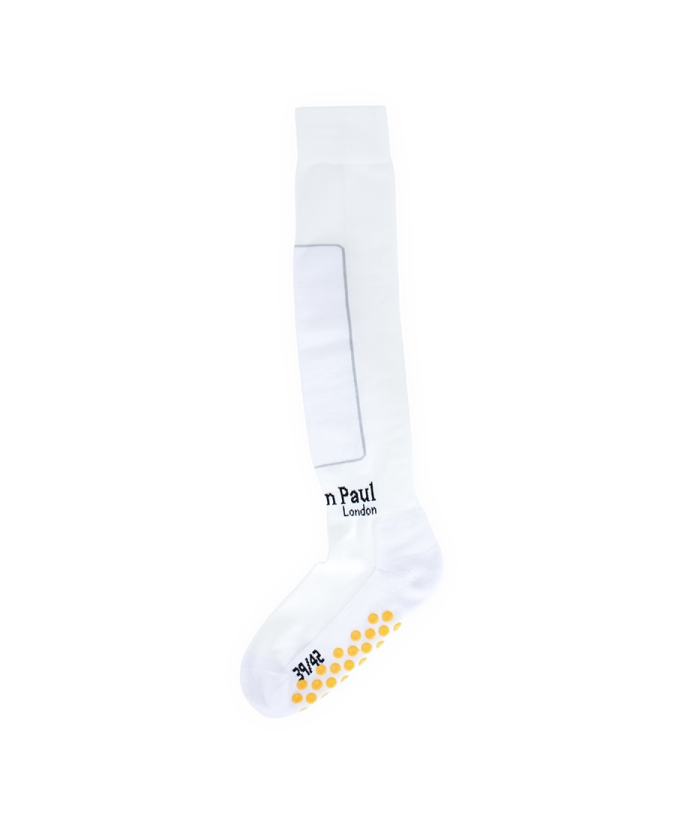
Choose from three ranges. Advanced socks use Thermacool fabric with antimicrobial and moisture-wicking properties. Quality and Enhanced socks feature permanently embedded antibacterial yarn, padded shins, thicker soles, and reinforced toes and heels.
| UK size | 1–2 | 3–5 | 6–8 | 9–11 | 12–14 |
|---|---|---|---|---|---|
| White | ✔ | ✔ | ✔ | ✔ | ✔ |
| Colours (purple, black, green, red, pink, blue) | Not available | ✔ | ✔ | ✔ | Not available |
Purpose-built compartments keep weapons, masks and clothing organised. Depending on the model, features include shoulder or backpack straps, wheels and hard-wearing, water-resistant materials.
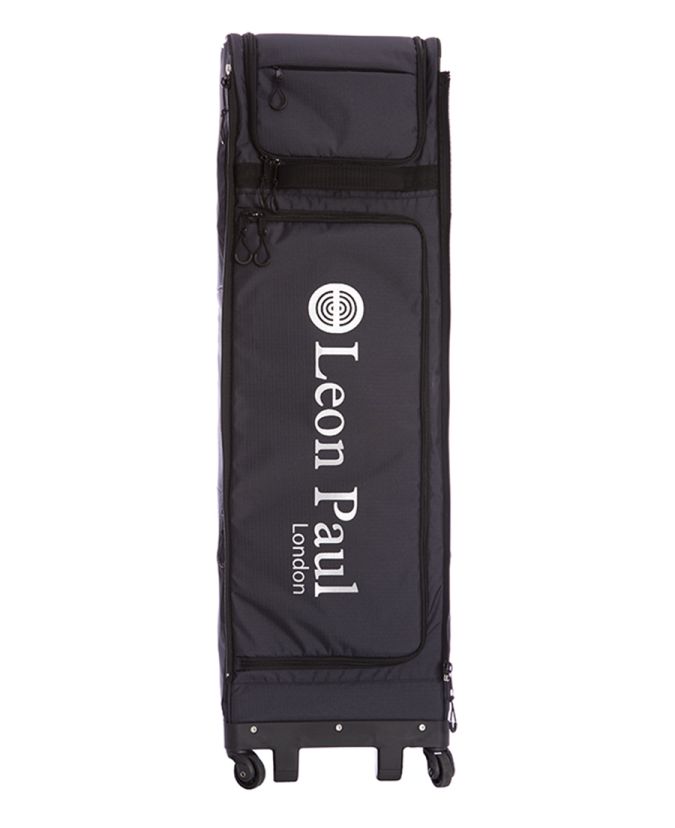
Our latest bag is designed to stand and travel vertically, while keeping every compartment easy to reach. Its outer fabric is made from 100% recycled bottles and includes a water-resistant layer.
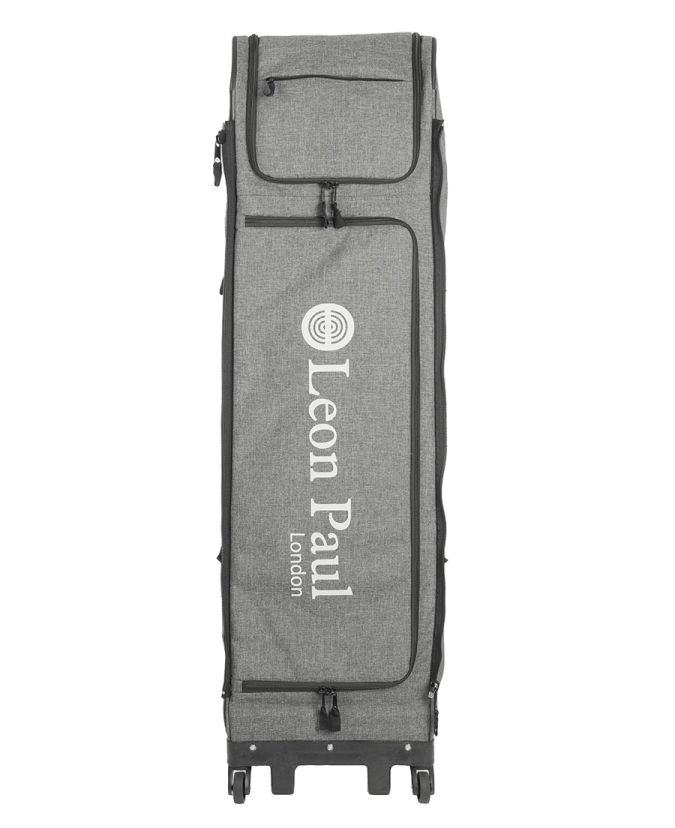
Popular full-kit bags with dedicated compartments and padded weapon sleeves. Both stand upright to save floor space.
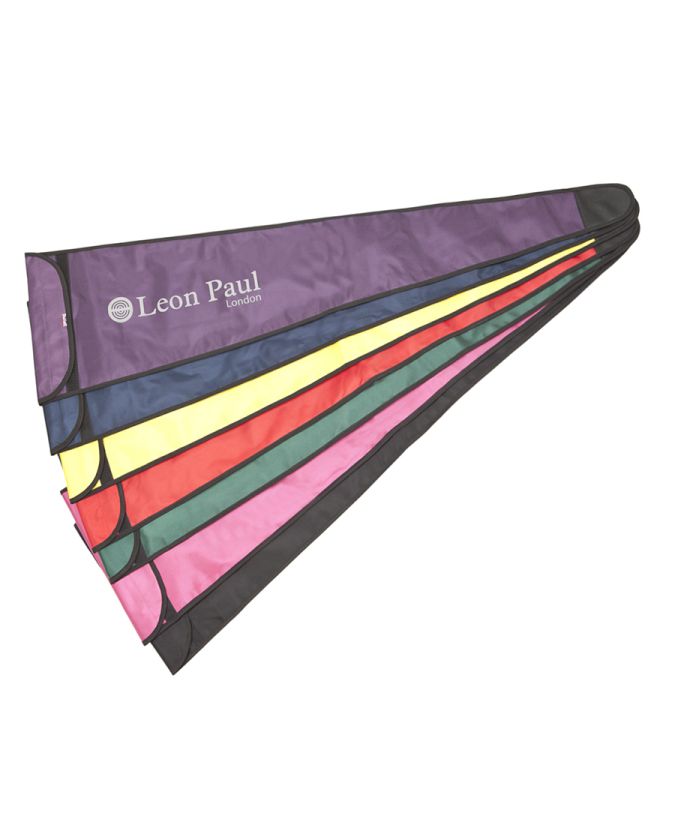
The Duel Weapon Bag and Weapon Carrier Pro use dedicated pockets to keep weapons separated and organised, with straps for carrying them on your back.
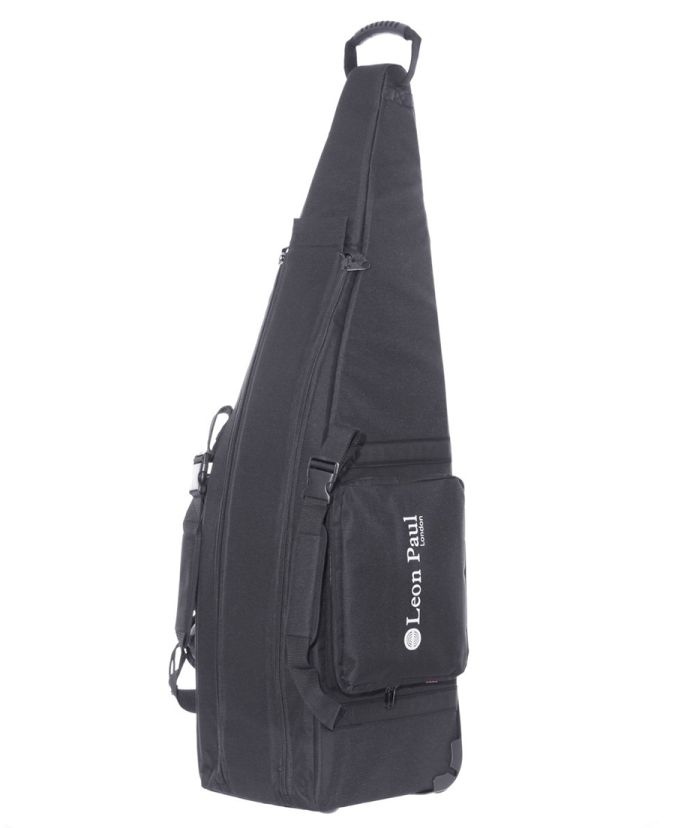
A wheeled option that makes transporting equipment between home, club and competition easier.
Every bag can be personalised with your name or country code.
Enter a measurement for an instant size recommendation, or open the complete charts below. All measurements are taken from the official Leon Paul Size Guide. Printable tape measure (PDF).
Measure the chest at its fullest while taking a full breath, the waist at its narrowest point, the knuckles without the thumb, and the head vertically from beneath the chin, over the top and back.
| UK/USA (Euro) | 34 (44) | 36 (46) | 38 (48) | 40 (50) | 42 (52) | 44 (54) | 46 (56) | 48 (58) | 50 (60) |
|---|---|---|---|---|---|---|---|---|---|
| Chest | 31–33″ 79–84cm |
33–35″ 84–89cm |
35–37″ 89–94cm |
37–39″ 94–99cm |
39–41″ 99–104cm |
41–43″ 104–109cm |
43–45″ 109–114cm |
45–47″ 114–119cm |
47–49″ 119–125cm |
| Height | 5′2–5′8 | 5′2–5′8 | 5′4–5′10 | 5′4–6′ | 5′6–6′2 | 5′8–6′4 | 5′8–6′4 | 5′8–6′4 | 5′10–6′4 |
Long jackets add 2″ (5cm) to the arms and body. Recommended heights are approximately 5′6–6′8, depending on size.
| UK/USA (Euro) | 30 (40) | 32 (42) | 34 (44) | 36 (46) | 38 (48) | 40 (50) | 42 (52) |
|---|---|---|---|---|---|---|---|
| Waist | 27–29″ 69–74cm |
29–31″ 74–79cm |
31–33″ 79–84cm |
33–35″ 84–89cm |
35–37″ 89–94cm |
37–39″ 94–99cm |
39–41″ 99–104cm |
| Inside leg (Reg) | 17½″ | 18″ | 18½″ | 19″ | 19½″ | 19½″ | 20″ |
| Inside leg (Long) | 19½″ | 20″ | 20½″ | 21″ | 21½″ | 21½″ | 22″ |
| UK/USA (Euro) | 34 (36) | 36 (38) | 38 (40) | 40 (42) | 42 (44) | 44 (46) | 46 (48) | 48 (50) |
|---|---|---|---|---|---|---|---|---|
| Chest | 31–33″ 79–84cm |
33–35″ 84–89cm |
35–37″ 89–94cm |
37–39″ 94–99cm |
39–41″ 99–104cm |
41–43″ 104–109cm |
43–45″ 109–114cm |
45–47″ 114–119cm |
| Height | 5′2–5′6 | 5′2–5′8 | 5′2–5′9 | 5′4–5′9 | 5′6–5′11 | 5′8–5′11 | 5′8–6′ | 5′8–6′ |
| UK/USA (Euro) | 24 (34) | 26 (36) | 28 (38) | 30 (40) | 32 (42) | 34 (44) | 36 (46) | 38 (48) |
|---|---|---|---|---|---|---|---|---|
| Waist | 21–23″ 54–59cm |
23–25″ 59–64cm |
25–27″ 64–69cm |
27–29″ 69–74cm |
29–31″ 74–79cm |
31–33″ 79–84cm |
33–35″ 84–89cm |
35–37″ 89–94cm |
| Inside leg (Reg) | 16″ | 17″ | 18″ | 18″ | 18″ | 18½″ | 18½″ | 19½″ |
| Inside leg (Long) | 18″ | 19″ | 20″ | 20″ | 20″ | 20½″ | 20½″ | 21½″ |
| Size | S | M | L | XL |
|---|---|---|---|---|
| Chest | < 36″ / < 92cm | 36–40″ / 92–102cm | 40–44″ / 102–112cm | > 44″ / > 112cm |
| Junior jackets | 32 (Euro 158) | 34 (164) | 36 (170) |
|---|---|---|---|
| Chest | 29–31″ / 74–79cm | 31–33″ / 79–84cm | 33–35″ / 84–89cm |
| Junior breeches | 24 (Euro 128) | 26 (146) | 28 (164) | 30 (170) |
|---|---|---|---|---|
| Waist | 21–23″ / 54–59cm | 23–25″ / 59–64cm | 25–27″ / 64–69cm | 27–29″ / 69–74cm |
Junior plastrons: J(XS) fits chest <32″ (<82cm); older children need adult S (32–34″ / 82–87cm).
| Size | S | M | L | XL |
|---|---|---|---|---|
| Vertical head circumference | < 22½″ / < 58cm | 22½–25½″ / 58–65cm | 25½–28″ / 65–72cm | > 28″ / > 72cm |
| Size | 6.5 | 7 | 7.5 | 8 | 8.5 | 9 | 9.5 | 10 | 10.5 |
|---|---|---|---|---|---|---|---|---|---|
| Knuckles | <6″ | 6–6½″ | 6½–7″ | 7–7½″ | 7½–8″ | 8–8½″ | 8½–9″ | 9–9½″ | 9½–10″ |
| cm | <15.5 | 15.5–16.5 | 16.5–18 | 18–19 | 19–20.5 | 20.5–21.5 | 21.5–23 | 23–24.5 | 24.5–25.5 |
| Size | XS | S | M | L | XL |
|---|---|---|---|---|---|
| Age | <5 yrs | 6–7 yrs | 8–9 yrs | 10–11 yrs | 12 yrs |
| Palm | 12–14cm | 14–15.5cm | 15.5–16.5cm | 16.5–17.5cm | 17.5–19cm |
Always check the garment's care label because instructions vary by fabric.
Content compiled from the Leon Paul Help Centre: Product Size Information and the official Size Guide.
Questions? Contact Leon Paul · [email protected]

Winner of the Kings Award for Enterprise




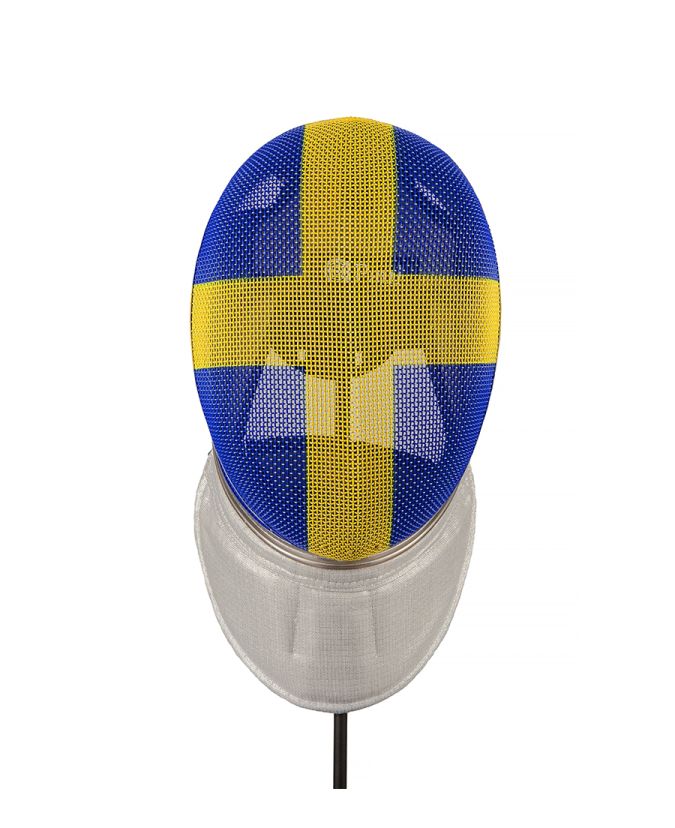 SWE Flag Sabre Mask
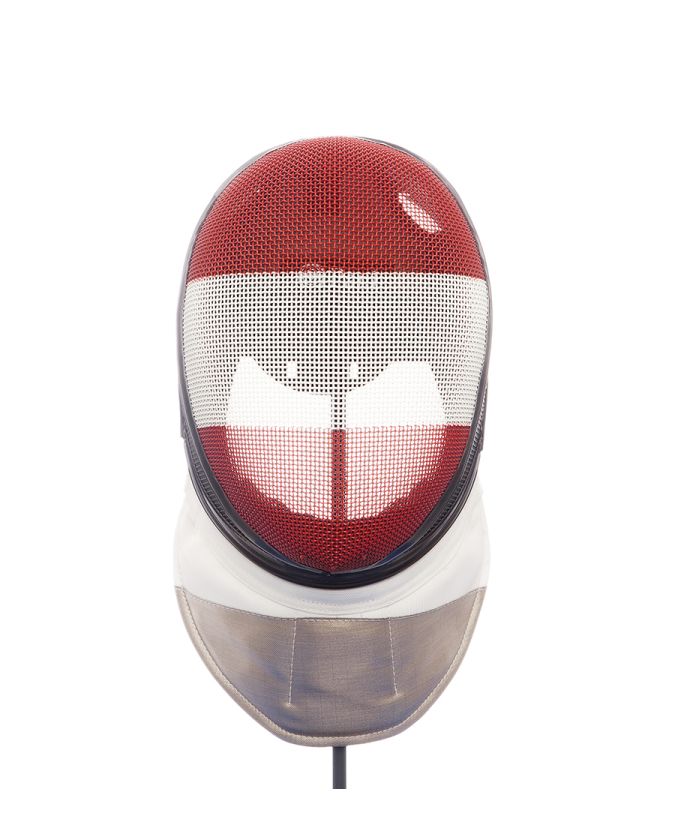 AUT Flag Foil Mask
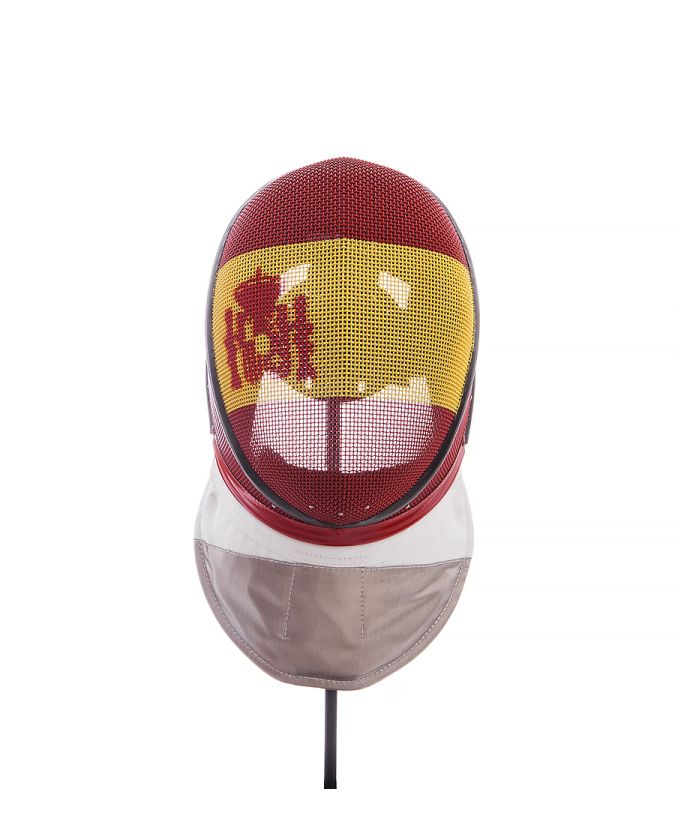 ESP Flag Foil Mask
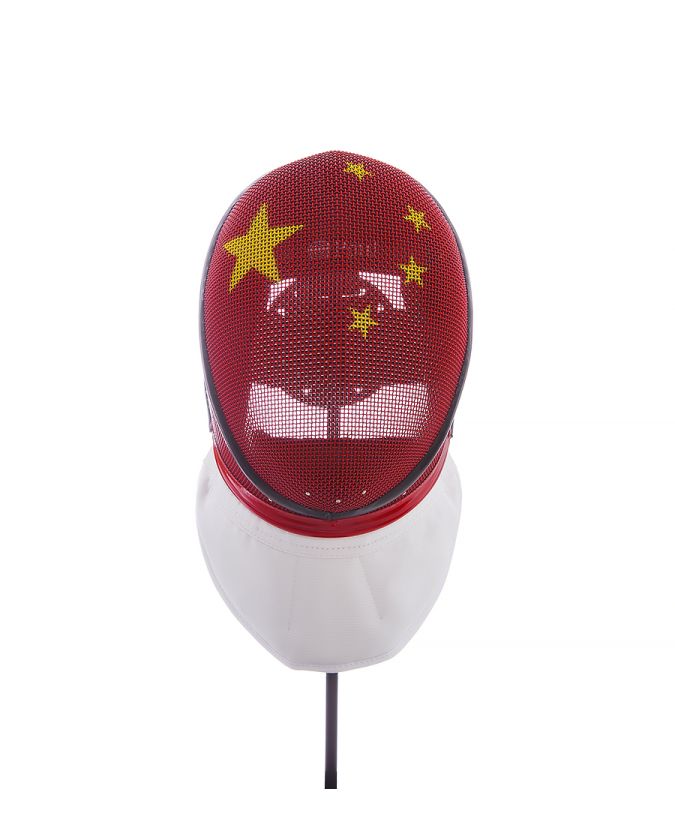 CHN Flag Épée Mask
 Custom Épée Creator
 Custom Sabre Creator
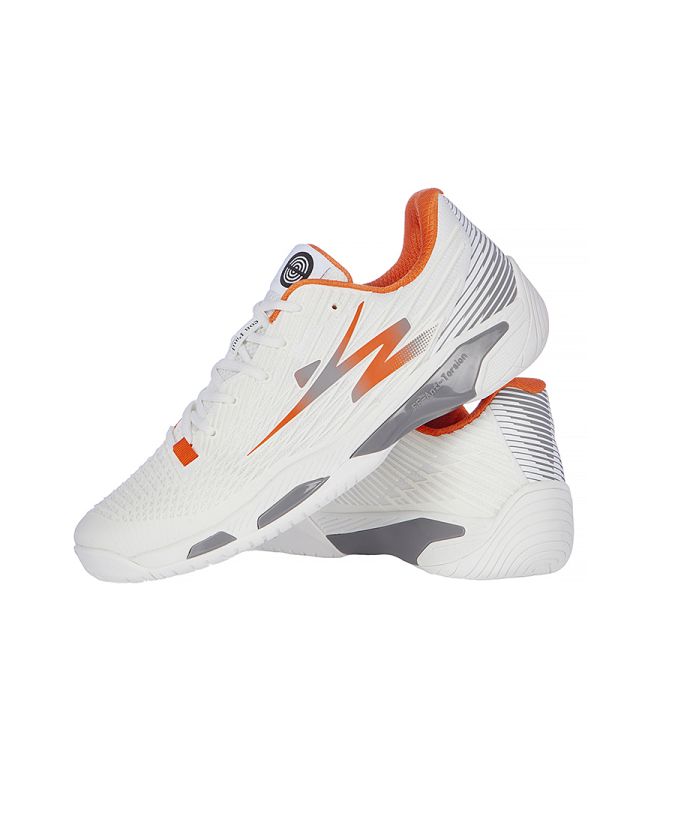 Lightning Fencing Shoes
 Coral Fencing Shoes
 Advanced Fencing Socks