We use cookies
Using our site means you agree to the use of cookies and similar technologies. Read about our policy and how to disable them here
Whether you're picking up a foil for the first time or upgrading to FIE competition kit, this guide walks you through every choice - uniforms, masks, weapons, shoes, socks and bags - with full size charts.
The full kit checklist, what to buy first, and what each piece does.
Purchasing for ChildrenHandedness, the measurements you need, and blade sizes by age.
Safety Standards: FIE vs Non-FIEWhat 350N, 800N and 1600N mean, and which standard your country requires.
Size ChartsInstant size finder plus every measurement chart, adult and junior.
Caring for Your KitWashing garments safely and keeping weapons rust-free.
How jackets, breeches, plastrons, lamés and gloves are sized and customised.
MasksSafety level, bib style and fitting system - the three choices that matter.
Weapons & ComponentsBlades, grips, guards and sockets - complete weapons or build your own.
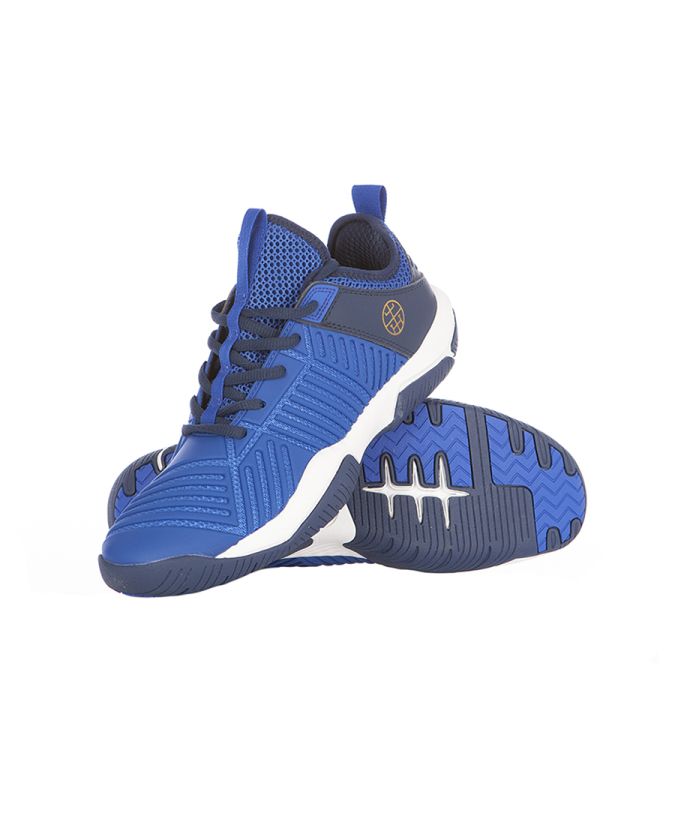
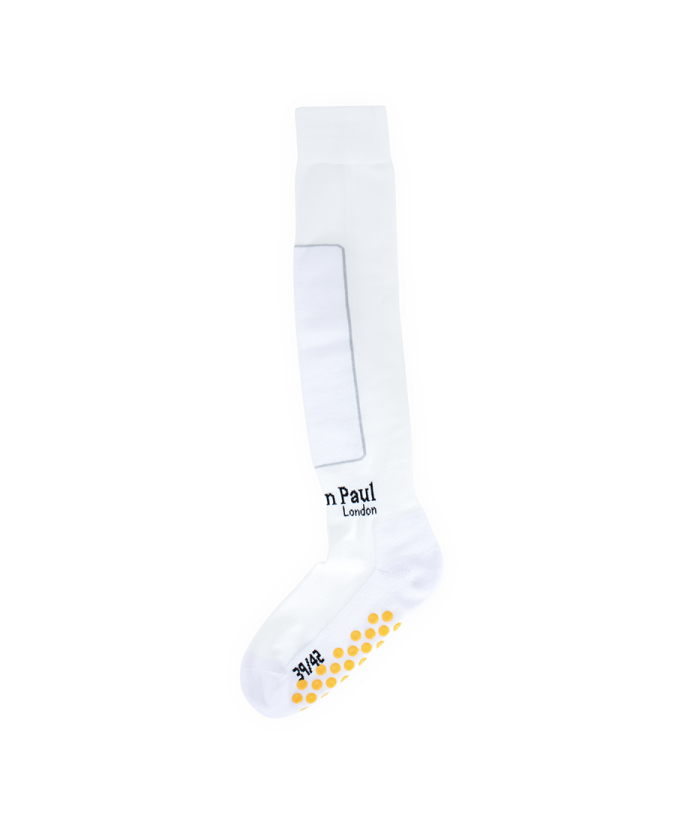
Shoes & SocksGrip, support and flexibility for footwork - plus the three sock ranges.
BagsFrom the Vertex to the FreeRoller - find the right bag for your kit.
Buying fencing kit can feel overwhelming - especially for newcomers or parents kitting out a child. Pick your weapon and we'll tailor the checklist.
Mandatory for women - protects the breasts, ribs and sternum during bouts.
Recommended for children - extra cushioning builds comfort and confidence.
Optional for men - reduces the sting of direct hits to the chest.
You'll also need a weapon (Foil, Épée or Sabre), body wires and - for electric scoring - the right sockets and points. See the Weapons section.
Many clubs will lend you equipment while you're doing a beginner course - they then like you to start buying your own so club kit stays free for new beginners. From there, you have two options:
The best-value route - a complete set costing more than 15% less than the individual items. Available for all three weapons with components to suit different budgets, and a solid basis to build on as you progress.
Shop Starter KitsBuild your kit piece by piece as you progress - a good fit if you're upgrading club kit gradually. Follow our recommended order below so the most important protection comes first.
What to buy firstIf you decide to buy individual items rather than a starter kit, here's what we recommend, roughly in order of importance:
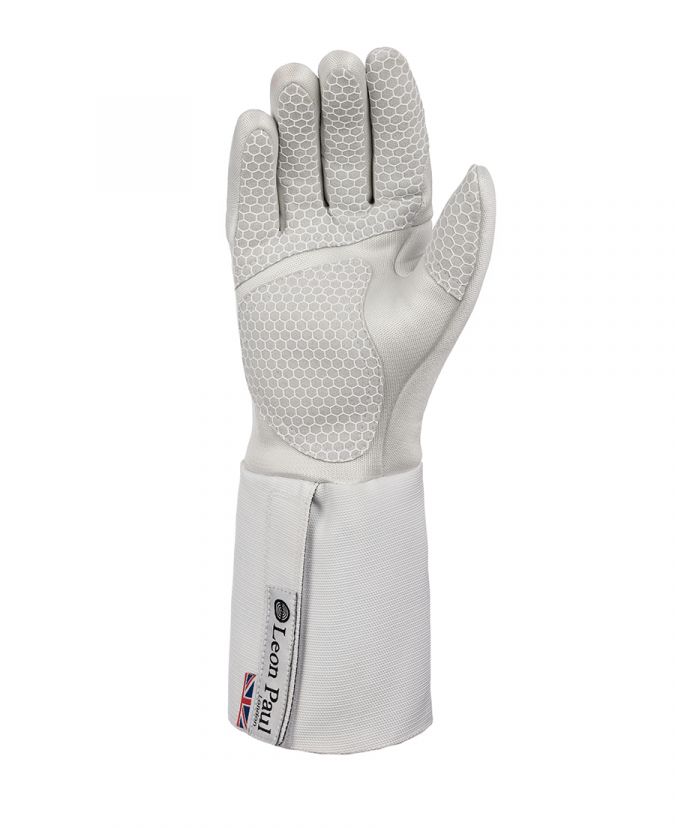
Although you can buy non-electric gloves, it's almost always worth buying an electric glove with a Velcro cuff - it lets you easily connect your bodywire from under your sleeve to an electric weapon. By far our most popular is the Advanced fencing glove, but FIE gloves - with better protection and durability - are fast becoming more popular.
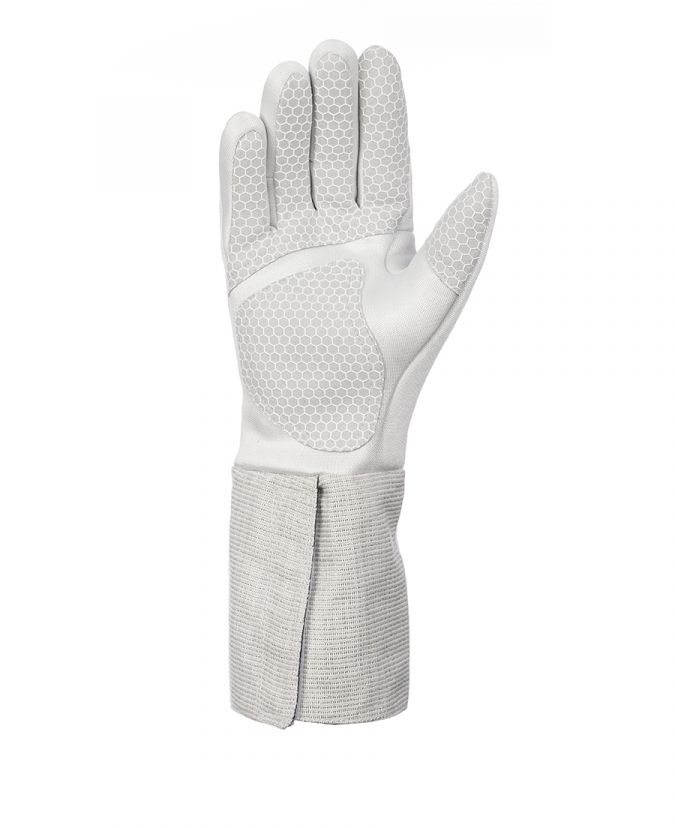
A cuff of conductive material that sabre fencers wear over a non-conductive glove cuff, so the scoring system can register hits to the forearm.
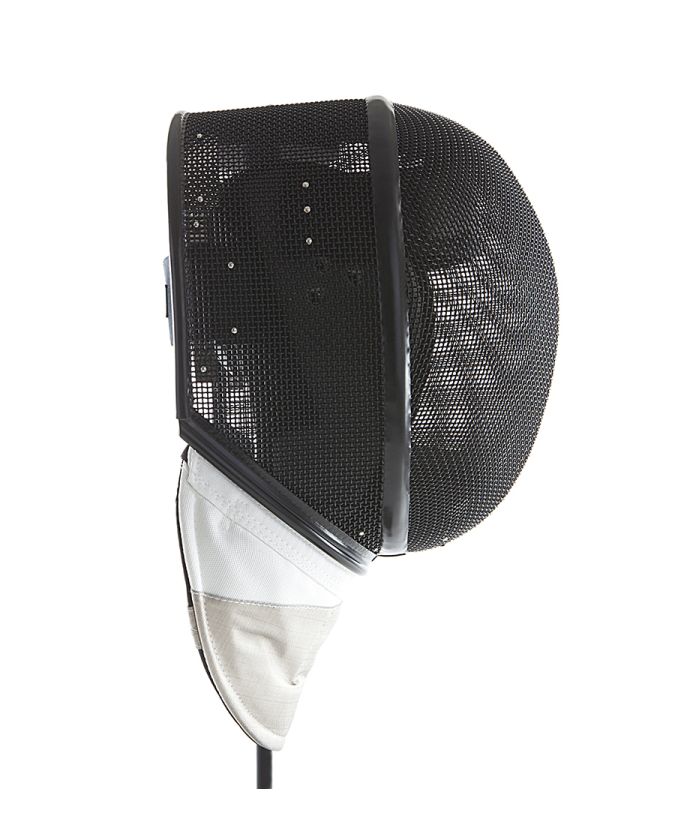
A good-quality mask is one of the first things to get - masks are a bit like shoes and bed in over time, becoming more and more comfortable. There's a different mask for each weapon, then a choice of FIE or non-FIE (350N). First-time buyers are usually fencing Foil or Épée, so we'd suggest the Horizon or Arena depending on your age (check your federation's requirements) - or, for the absolute best, an X-Change mask. If your club uses Leon Paul masks, check the size on the label or by the colour-coded washers on top: yellow = S, blue = M, red = L, black = XL.
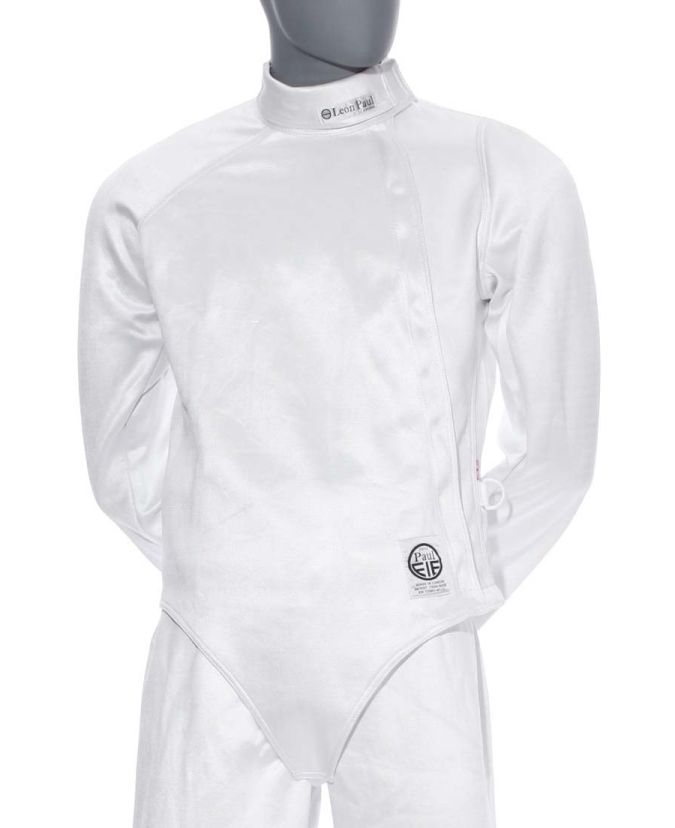
Most clubs supply back-zip jackets - switching to your own front-zip jacket makes a huge difference. Most fencers are best off starting with our Phoenix range; for extra protection, the Team range is a great long-term investment.
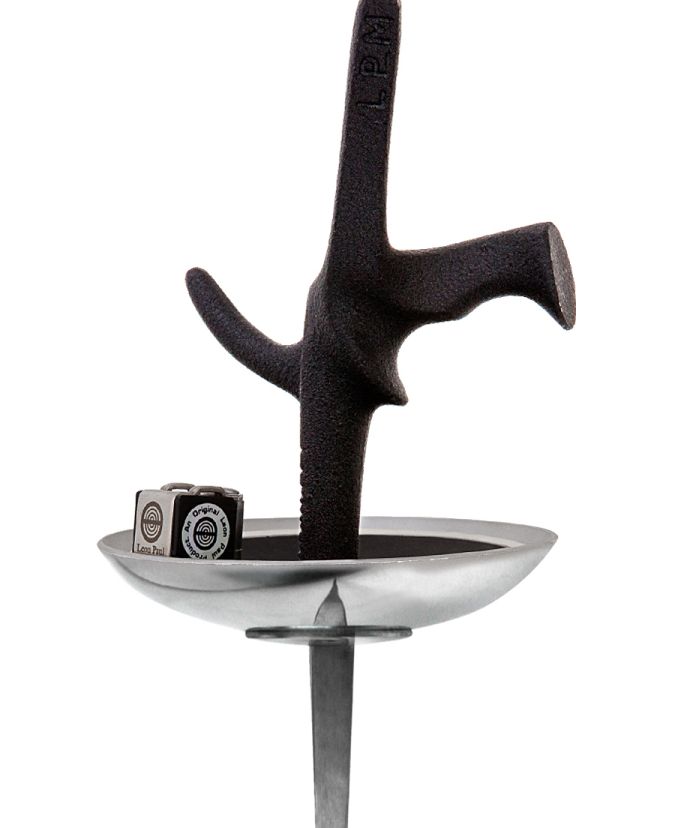
The part everyone wants to buy first - but it's usually best to wait a few months. Most people start with a traditional French grip and progress to a pistol grip. For children we suggest a basic blade; adults, who hit harder, are better off with an FIE (Maraging steel) blade - more expensive, but it lasts much longer, is less likely to take a permanent bend, and saves money in the long run.
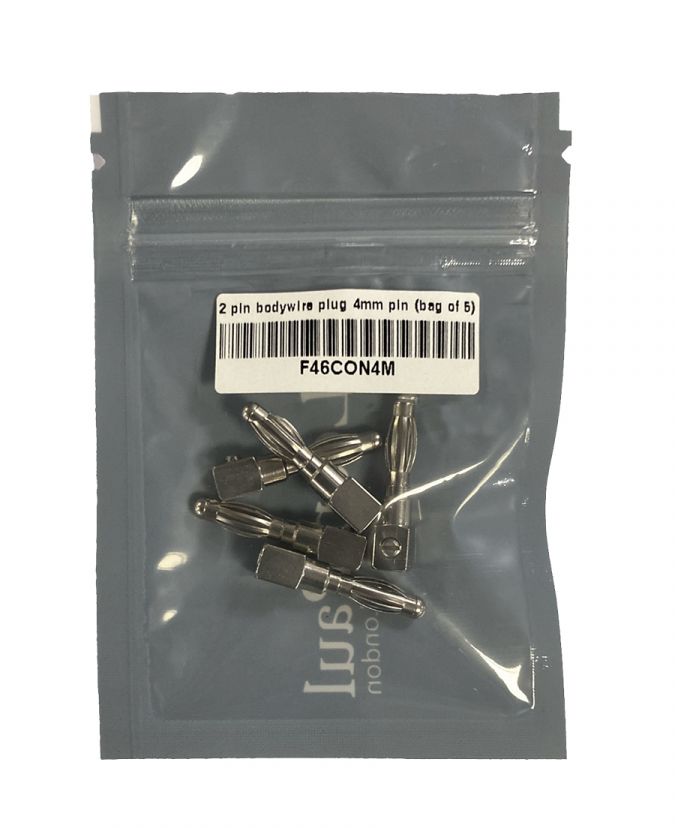
In the UK nearly every foilist uses the bayonet twist-and-push system; on the continent and in the USA the 2-pin system is more common - and the FIE now favours 2-pin, so that's what you'll see at high-level international events. They're not all the same: cheap bodywires are often made with inferior parts and cable that needs replacing more often.
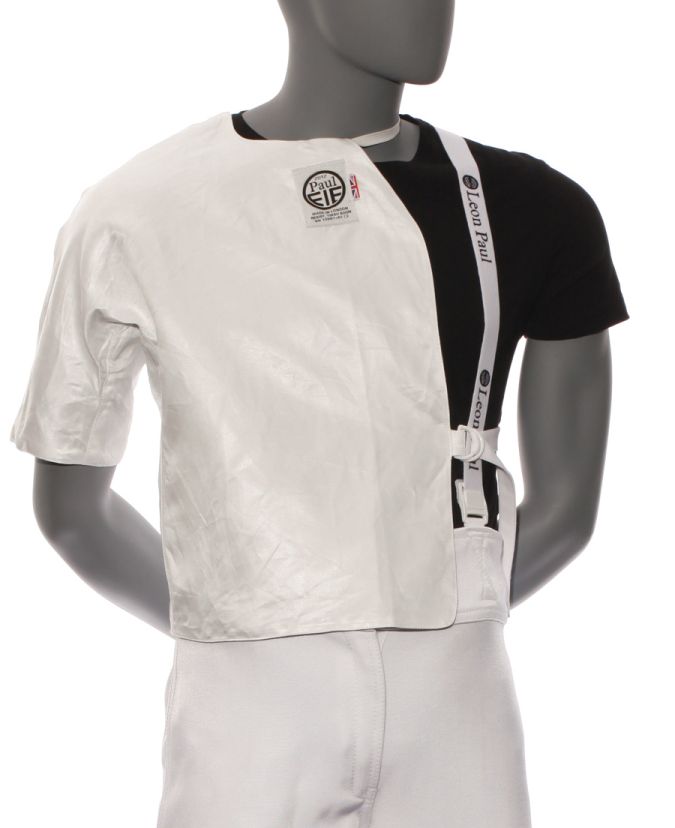
For non-electric or children's fencing a 350N plastron is OK - but for a small amount more, an FIE 800N plastron gives much better protection. In the UK it's almost always best to go FIE, as it's mandatory for electric fencing. Our lightweight FIE plastron is thinner and lighter than anything else available - you can hardly tell you're wearing it.
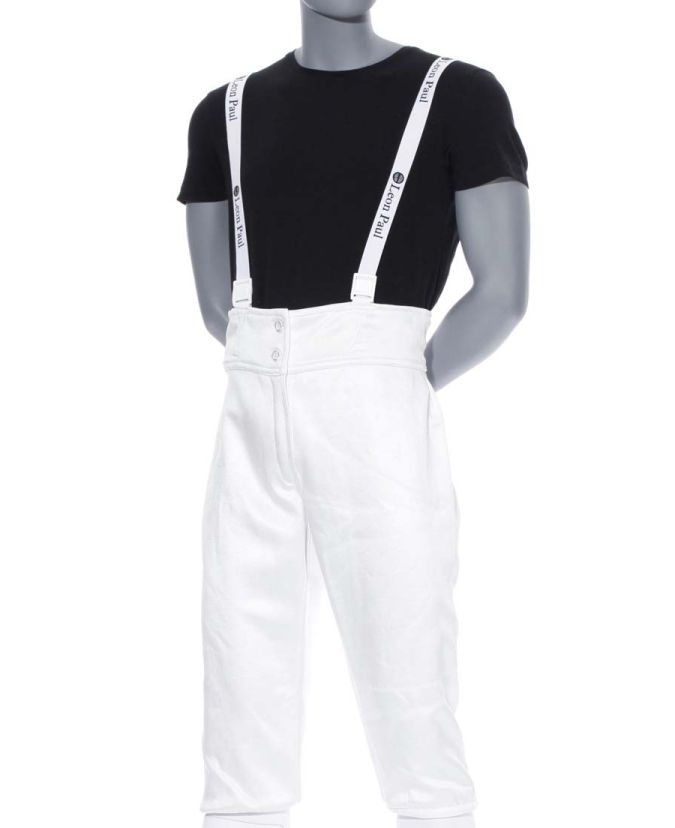
Breeches come in many styles - most people choose the same style and material as their jacket so they match in look and feel.
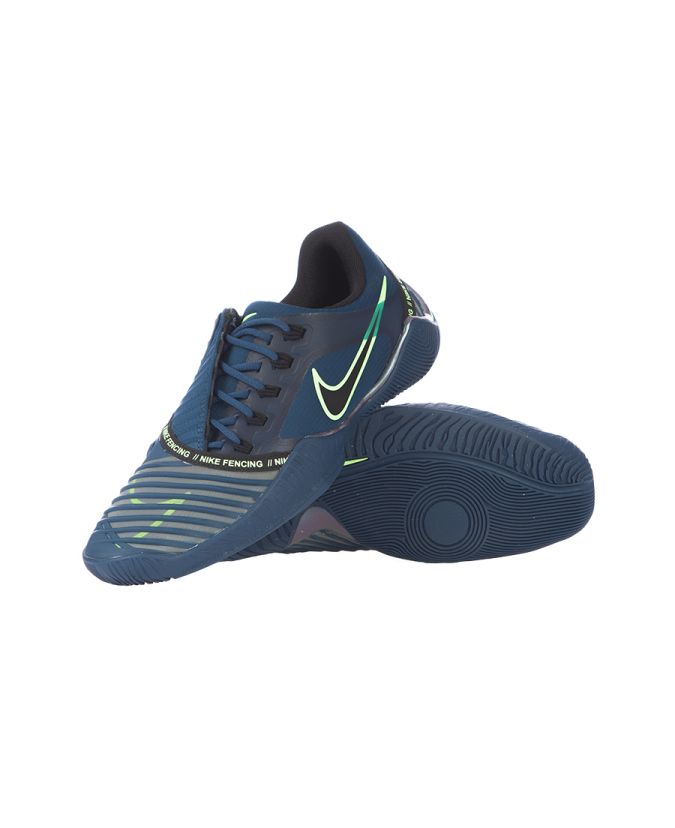
Fencing-specific shoes are only essential for advanced fencers, but many buy them for the better grip and correctly shaped sole. Fit guide: Adidas run very narrow (most people go a half size up), Hi-Tec are wider, and Nike are the lightest on the market and in the middle of the width range.
The order we suggest buying kit is the same for children as for adults - but there are a few extra things fencing parents and grandparents need to know. If you need help, we're always happy to answer questions by phone or email.
Protective fencing clothing is not sized like high-street children's clothing. We can estimate a size from age and height, but to order accurately you'll need the child's height (full height) plus these four measurements:
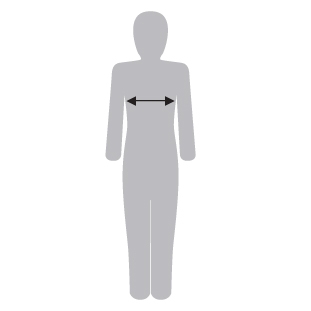
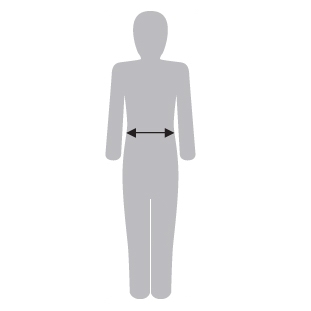
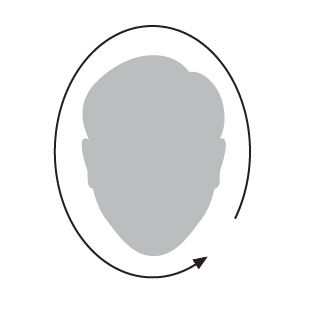
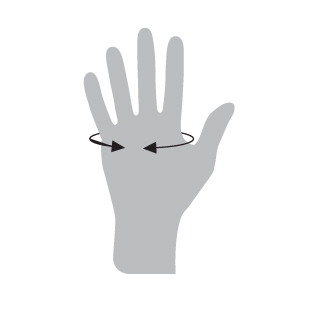
Then use the size finder to convert measurements to sizes - and consider sizing up slightly for growing room.
Weapons and blades are sized by age - younger fencers use shorter, lighter, more flexible blades. Know which age group your child falls into, then check the blade size tables in the Weapons section (UK 10–14s use a size 3 foil blade; elsewhere in the world it's a size 2).
The “N” you see on fencing kit stands for Newtons - the minimum force needed for a blade to penetrate the material. Higher numbers mean more protection.
| 350N Non-FIE | FIE 800N clothing / 1600N mask bibs | |
|---|---|---|
| Best for | Beginners, club fencing, domestic competition | International competition & maximum protection |
| Clothing | Withstands minimum 350N | Withstands minimum 800N - mandatory internationally |
| Masks | 350N bibs (Horizon, Arena, Club ranges) | FIE X-Change masks with 1600N bibs |
| Blades | Carbon steel - rugged, great value | Maraging steel - lighter, more flexible, certified |
| Minimum 350N | Minimum FIE 800N | No minimum |
|---|---|---|
 UK  France  Australia  Canada |
 Italy  Germany |
 USA |
Rules vary by country - if you're new, check with your coach or national federation. Where FIE kit isn't mandatory, it remains the highest standard of safety, design and style, and is our recommendation if the budget allows.
Leon Paul sizing uses imperial (inch) measurements. Children's kit is sized by measurement, not age - measure first, and consider sizing up slightly for growing room.
Apex FIE Jacket Apex FIE Breeches 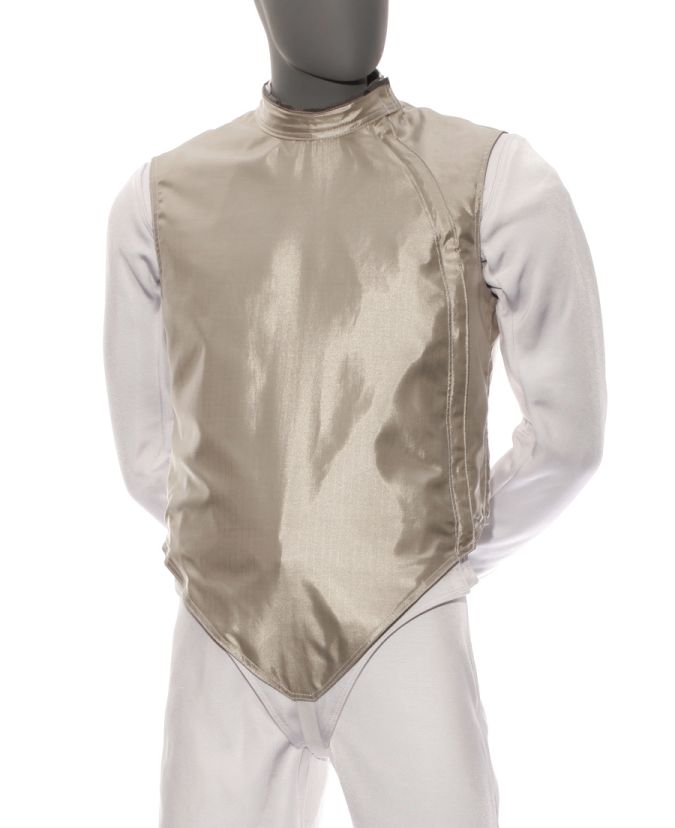 Lightweight Foil Lamé Lightweight FIE Plastron FIE ExoSkin II Glove
Use the size finder and full charts below. Most product pages also have a Size Guide link (top right) with product-specific charts. Need a tape measure? Download a printable PDF tape measure.
The Econoguard and Masterguard cover the chest and sides with adjustable elastic straps. To size: measure under and around the bust while wearing a well-fitting regular bra, then check the chart on each product page.
Under FIE regulations, international fencers must print their surname and country in blue lettering on the back of the jacket (Épée) or lamé (Foil & Sabre) - maximum 10 characters, ordered via the customise tick-box on each product page. National federation logos go on both breeches legs and jacket arms.
All Leon Paul masks use stainless-steel mesh and now include an additional safety strap. Your three choices: safety level, bib style and fitting system.
The choice for high-level fencers: the lightest, most breathable mask available. Fully washable, with upgradeable and renewable parts - futureproof. Required for international competition.
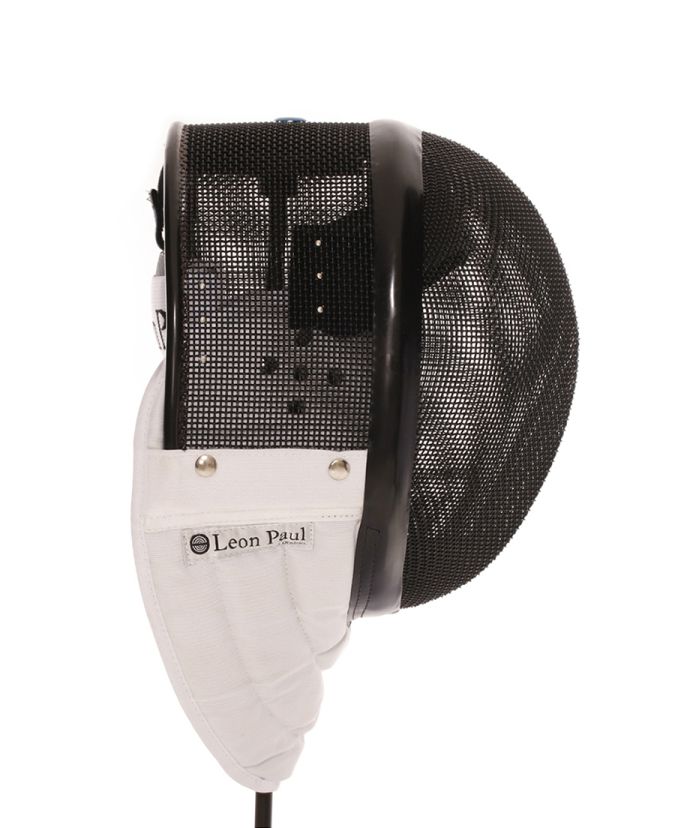
The Horizon, Arena and Club ranges. Ideal for beginners and club fencing; not permitted at international competitions.
X-Change masks come in black, white, red or blue, with optional side text (max 8 characters), FIE-approved country flags, or bespoke designs via [email protected]. Allow 2–3 working days.
Two ways to buy: pick a recommended complete weapon (just choose hand and blade size) or use the custom weapon creator to select every component - hand, grip type, blade, guard, pad, socket, grip and pommel.
| Age | Foil | Épée | Sabre |
|---|---|---|---|
| 15+ (adults) | Size 5 | Size 5 | Size 5 |
| 10–14 years | Size 3 | Size 2 | Size 2 |
| Under 10 | Size 0 | Size 0 | Size 0 |
| Age | Foil | Épée | Sabre |
|---|---|---|---|
| 15+ (adults) | Size 5 | Size 5 | Size 5 |
| 10–14 years | Size 2 | Size 2 | Size 2 |
| Under 10 | Size 0 | Size 0 | Size 0 |
The tang is the part of the blade that runs into the handle - and it decides which grips fit:
Fencing shoes need three things: grip for precise footwork and lunges, support to withstand the sport's demands, and lightweight flexibility for quick reactions. Our best seller is the Nike Ballestra 2 - specialised rubber soles, reinforced panels and lightweight construction.
To maximise lifespan: clean regularly, air dry after each session, keep them for fencing only, and replace when the soles show significant wear.
Three ranges: Advanced (Thermacool anti-microbial, moisture-wicking), and Quality / Enhanced (anti-bacterial yarn embedded for life, padded shins, thicker soles, reinforced toe and heel).
| UK size | 1–2 | 3–5 | 6–8 | 9–11 | 12–14 |
|---|---|---|---|---|---|
| White | ✔ | ✔ | ✔ | ✔ | ✔ |
| Colours (purple, black, green, red, pink, blue) | - | ✔ | ✔ | ✔ | - |
Purpose-built compartments for weapons, masks and uniforms - with shoulder or backpack straps, wheels on larger bags, and water-resistant hardwearing materials.
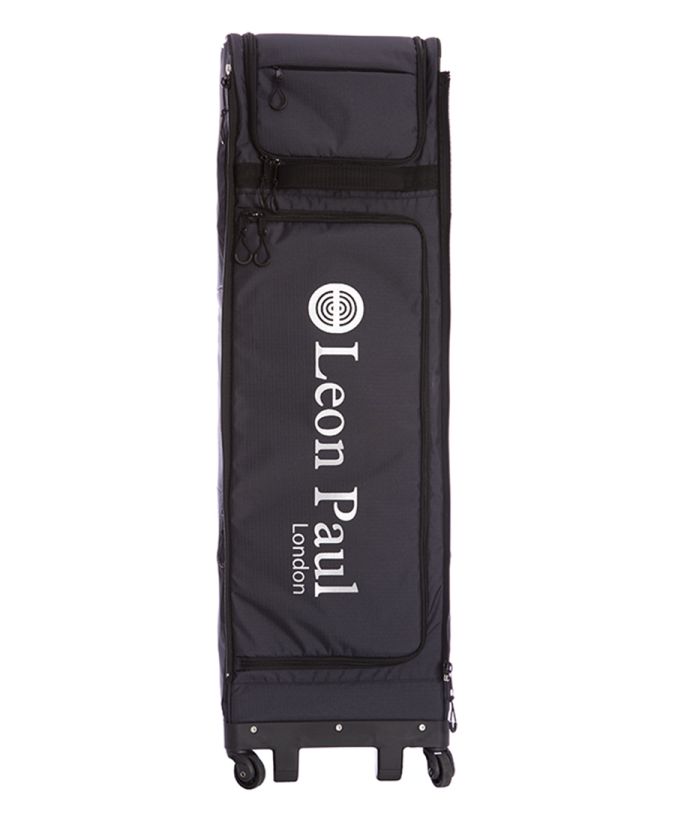
Our latest bag - designed for vertical use and transport with easy access to everything. Outer made from 100% recycled bottles with a water-resistant layer.
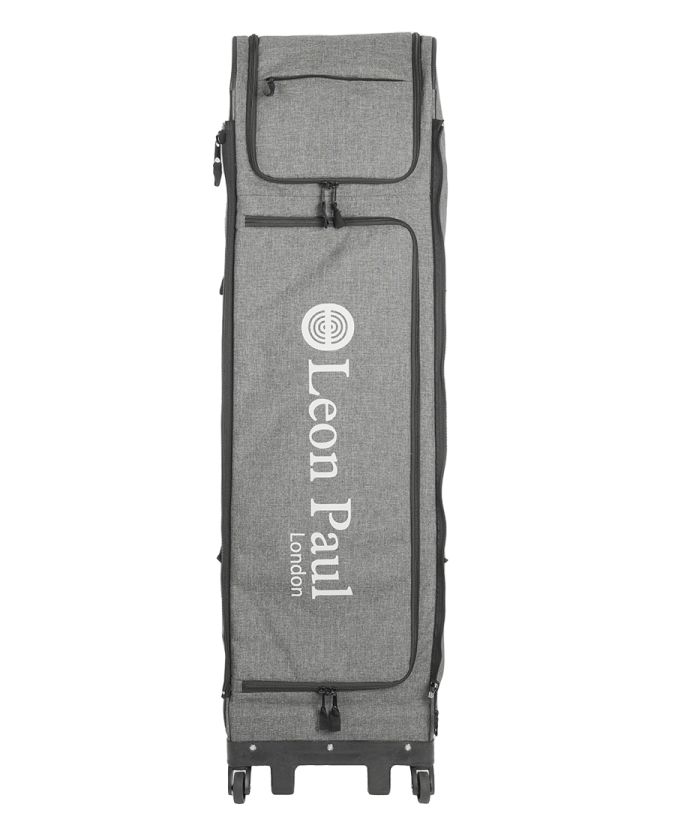
Popular full-kit bags with individualised compartments and padded weapon sleeves. Stand upright to save floor space.
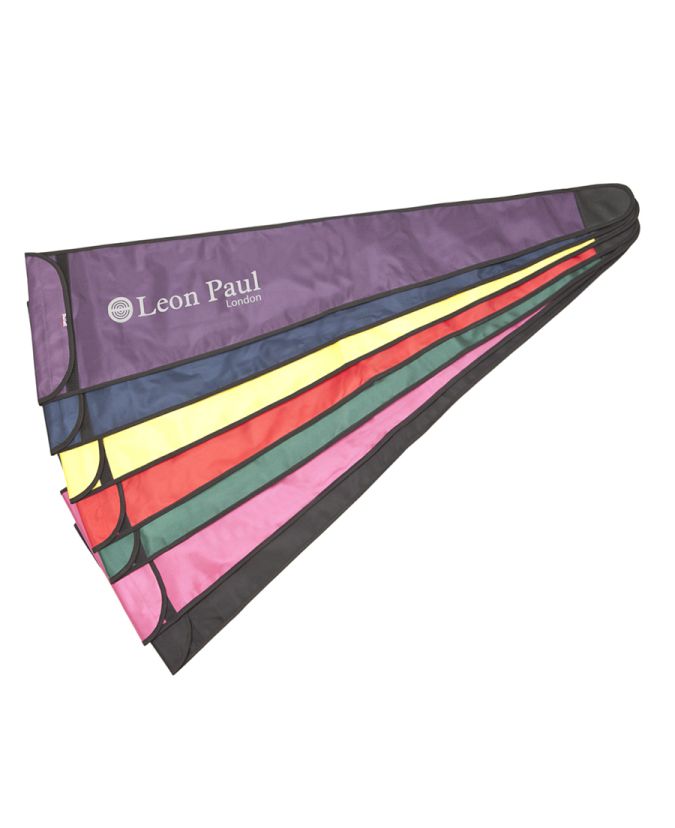
Duel Weapon Bag and Weapon Carrier Pro - dedicated pockets to organise weapons separately, carried on your back.
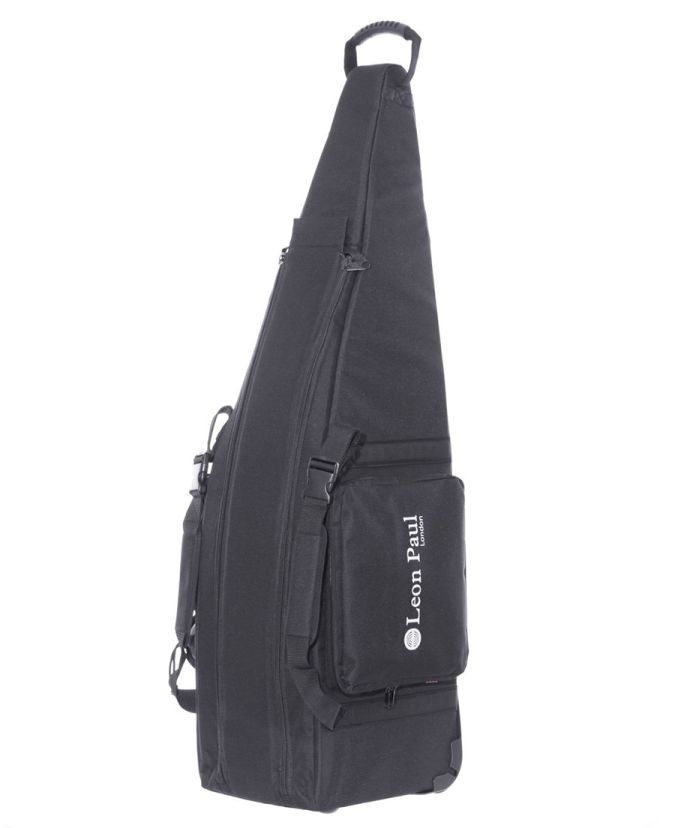
Wheeled option for effortless transport between home, club and competition.
All bags can be personalised with your name or country code.
Type a measurement and get your size instantly, or open the full charts below. All charts from the official Leon Paul Size Guide. Printable tape measure (PDF).
Measurements as described in each section - chest at its largest with a full breath, waist at its narrowest, knuckles excluding thumb, head vertically from under the chin over the top and back.
| UK/USA (Euro) | 34 (44) | 36 (46) | 38 (48) | 40 (50) | 42 (52) | 44 (54) | 46 (56) | 48 (58) | 50 (60) |
|---|---|---|---|---|---|---|---|---|---|
| Chest | 31–33″ 79–84cm |
33–35″ 84–89cm |
35–37″ 89–94cm |
37–39″ 94–99cm |
39–41″ 99–104cm |
41–43″ 104–109cm |
43–45″ 109–114cm |
45–47″ 114–119cm |
47–49″ 119–125cm |
| Height | 5′2–5′8 | 5′2–5′8 | 5′4–5′10 | 5′4–6′ | 5′6–6′2 | 5′8–6′4 | 5′8–6′4 | 5′8–6′4 | 5′10–6′4 |
Long jackets add 2″ (5cm) to arms and body - recommended heights approximately 5′6–6′8 depending on size.
| UK/USA (Euro) | 30 (40) | 32 (42) | 34 (44) | 36 (46) | 38 (48) | 40 (50) | 42 (52) |
|---|---|---|---|---|---|---|---|
| Waist | 27–29″ 69–74cm |
29–31″ 74–79cm |
31–33″ 79–84cm |
33–35″ 84–89cm |
35–37″ 89–94cm |
37–39″ 94–99cm |
39–41″ 99–104cm |
| Inside leg (Reg) | 17½″ | 18″ | 18½″ | 19″ | 19½″ | 19½″ | 20″ |
| Inside leg (Long) | 19½″ | 20″ | 20½″ | 21″ | 21½″ | 21½″ | 22″ |
| UK/USA (Euro) | 34 (36) | 36 (38) | 38 (40) | 40 (42) | 42 (44) | 44 (46) | 46 (48) | 48 (50) |
|---|---|---|---|---|---|---|---|---|
| Chest | 31–33″ 79–84cm |
33–35″ 84–89cm |
35–37″ 89–94cm |
37–39″ 94–99cm |
39–41″ 99–104cm |
41–43″ 104–109cm |
43–45″ 109–114cm |
45–47″ 114–119cm |
| Height | 5′2–5′6 | 5′2–5′8 | 5′2–5′9 | 5′4–5′9 | 5′6–5′11 | 5′8–5′11 | 5′8–6′ | 5′8–6′ |
| UK/USA (Euro) | 24 (34) | 26 (36) | 28 (38) | 30 (40) | 32 (42) | 34 (44) | 36 (46) | 38 (48) |
|---|---|---|---|---|---|---|---|---|
| Waist | 21–23″ 54–59cm |
23–25″ 59–64cm |
25–27″ 64–69cm |
27–29″ 69–74cm |
29–31″ 74–79cm |
31–33″ 79–84cm |
33–35″ 84–89cm |
35–37″ 89–94cm |
| Inside leg (Reg) | 16″ | 17″ | 18″ | 18″ | 18″ | 18½″ | 18½″ | 19½″ |
| Inside leg (Long) | 18″ | 19″ | 20″ | 20″ | 20″ | 20½″ | 20½″ | 21½″ |
| Size | S | M | L | XL |
|---|---|---|---|---|
| Chest | < 36″ / < 92cm | 36–40″ / 92–102cm | 40–44″ / 102–112cm | > 44″ / > 112cm |
| Junior jackets | 32 (Euro 158) | 34 (164) | 36 (170) |
|---|---|---|---|
| Chest | 29–31″ / 74–79cm | 31–33″ / 79–84cm | 33–35″ / 84–89cm |
| Junior breeches | 24 (Euro 128) | 26 (146) | 28 (164) | 30 (170) |
|---|---|---|---|---|
| Waist | 21–23″ / 54–59cm | 23–25″ / 59–64cm | 25–27″ / 64–69cm | 27–29″ / 69–74cm |
Junior plastrons: J(XS) fits chest <32″ (<82cm); older children need adult S (32–34″ / 82–87cm).
| Size | S | M | L | XL |
|---|---|---|---|---|
| Vertical head circumference | < 22½″ / < 58cm | 22½–25½″ / 58–65cm | 25½–28″ / 65–72cm | > 28″ / > 72cm |
| Size | 6.5 | 7 | 7.5 | 8 | 8.5 | 9 | 9.5 | 10 | 10.5 |
|---|---|---|---|---|---|---|---|---|---|
| Knuckles | <6″ | 6–6½″ | 6½–7″ | 7–7½″ | 7½–8″ | 8–8½″ | 8½–9″ | 9–9½″ | 9½–10″ |
| cm | <15.5 | 15.5–16.5 | 16.5–18 | 18–19 | 19–20.5 | 20.5–21.5 | 21.5–23 | 23–24.5 | 24.5–25.5 |
| Size | XS | S | M | L | XL |
|---|---|---|---|---|---|
| Age | <5 yrs | 6–7 yrs | 8–9 yrs | 10–11 yrs | 12 yrs |
| Palm | 12–14cm | 14–15.5cm | 15.5–16.5cm | 16.5–17.5cm | 17.5–19cm |
Always check your garment's care label - instructions vary by fabric.
Content compiled from the Leon Paul Help Centre - Product Size Information and the official Size Guide.
Questions? Contact Leon Paul · [email protected]

Winner of the Kings Award for Enterprise




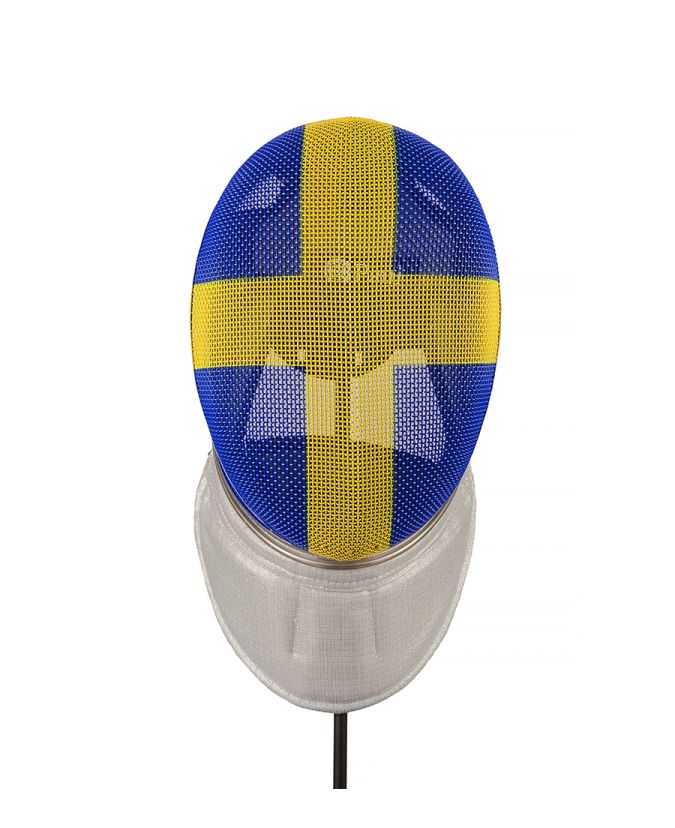 SWE Flag Sabre Mask
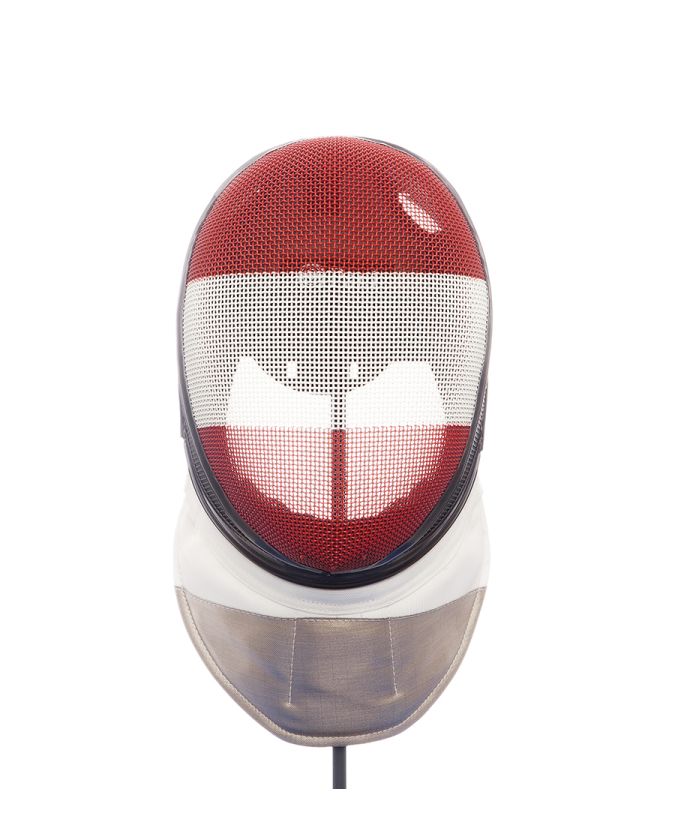 AUT Flag Foil Mask
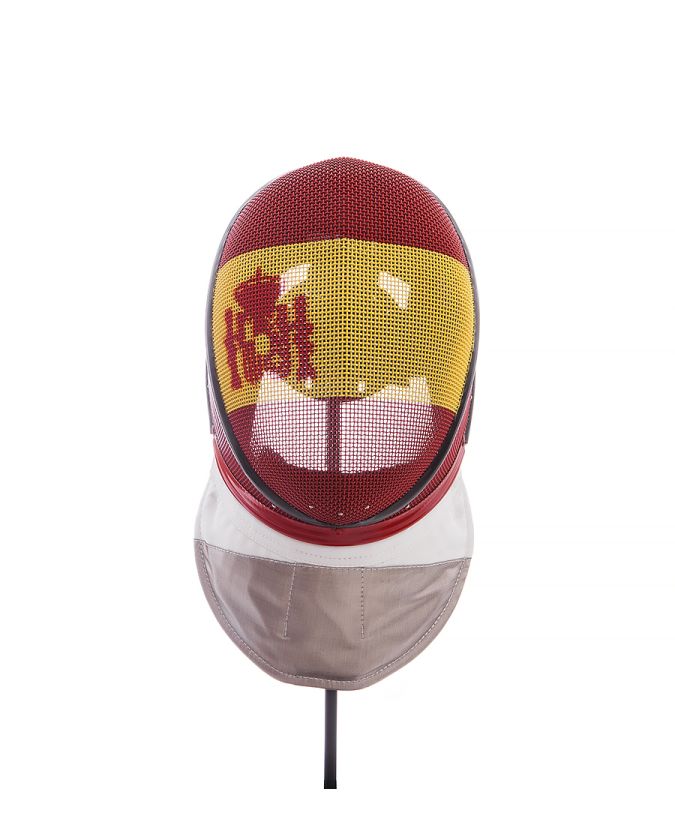 ESP Flag Foil Mask
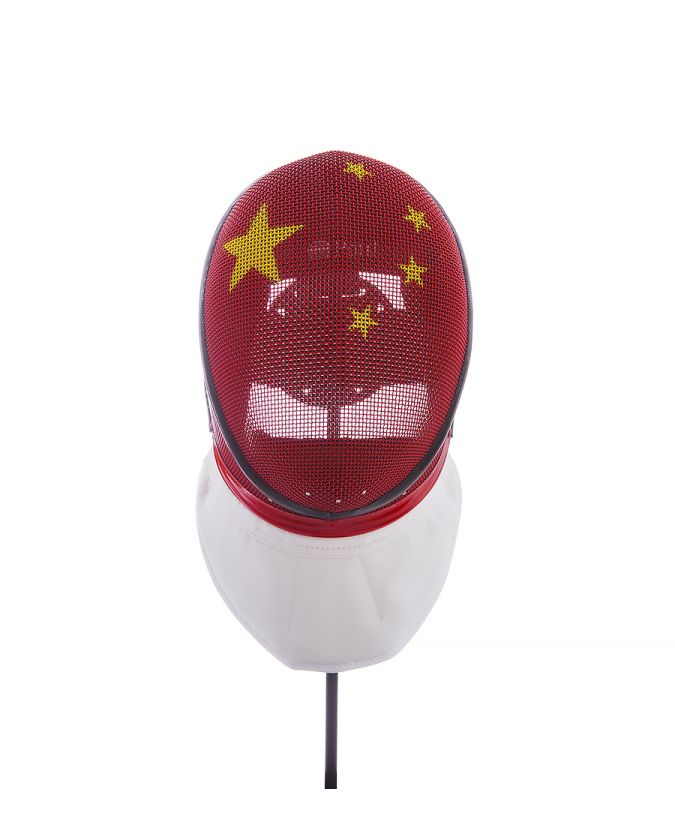 CHN Flag Épée Mask
 Custom Épée Creator
 Custom Sabre Creator
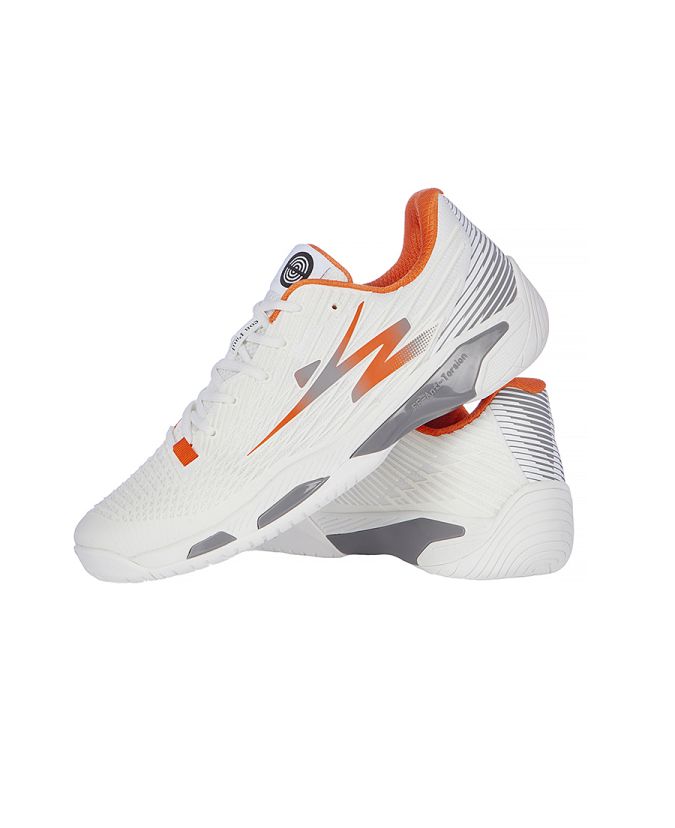 Lightning Fencing Shoes
 Coral Fencing Shoes
 Advanced Fencing Socks