We use cookies
Using our site means you agree to the use of cookies and similar technologies. Read about our policy and how to disable them here
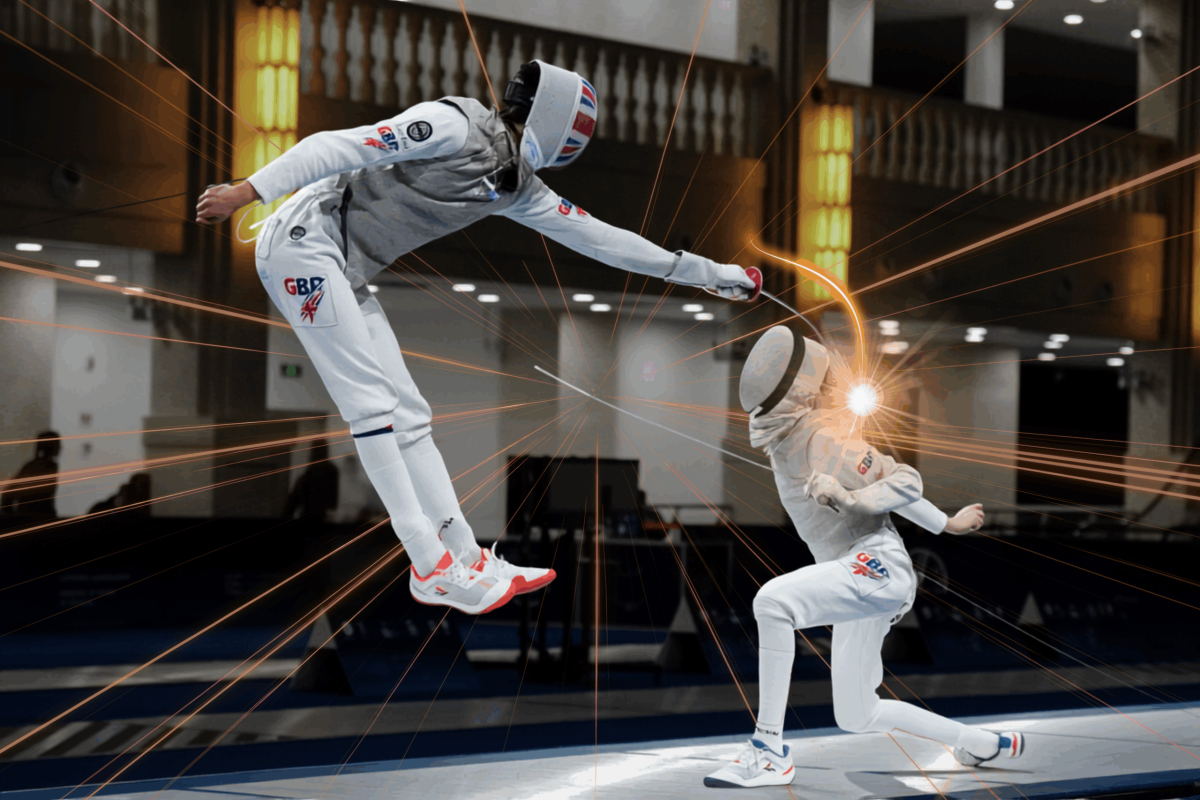
Fencing is one of the world's oldest sports and one of only four disciplines to appear at every modern Olympic Games since 1896. Despite its rich history and global popularity, fencing has long received far less scientific attention than sports such as soccer/football, basketball, or track and field.
That may be changing.
A recent scoping review examined the entire body of experimental and quantitative observational research conducted in fencing and wheelchair fencing, identifying 445 studies spanning biomechanics, physiology, psychology, injury epidemiology, performance analysis, and more. The findings provide the most comprehensive picture to date of what researchers have learned about fencing and where major gaps still exist.
One of the clearest trends is growth. While relatively few fencing studies were published before 2000, research output has increased dramatically over the past decade. Since 2015, publication rates have accelerated, with recent years producing nearly 40 studies annually. This surge reflects increasing interest from coaches, sport scientists, and national federations seeking evidence-based approaches to athlete development and performance.
Of the 445 studies identified, performance and skill analysis accounted for more than 40% of all publications. Researchers have explored topics such as reaction time, decision-making, movement mechanics, tactical behavior, and factors that distinguish elite athletes from their peers. Physiology, psychology, and biomechanics were also heavily represented. Together, these four domains comprised more than 80% of all fencing research. In short, scientists have spent considerable effort trying to understand how fencers move, think, and perform.
Perhaps the most surprising finding was how little attention has been devoted to athlete health. Less than 8% of studies focused on injury and epidemiology, while recovery and rehabilitation represented only 4% of the literature. Research examining training load and fatigue was even rarer. This imbalance is notable because fencing places unique demands on the body. Repeated lunging, asymmetrical loading patterns, explosive accelerations, and high training volumes all have potential implications for injury risk and long-term athlete health. While coaches and athletes frequently discuss injury prevention and recovery, the scientific literature in these areas remains relatively sparse.
Another consistent pattern was sample size. The majority of studies included fewer than 50 athletes, and many involved fewer than 20 participants. This reflects the realities of researching a relatively small sport, particularly when studying elite competitors. However, small sample sizes can limit statistical power and make it more difficult to generalize findings across age groups, competition levels, and weapon disciplines. Future progress may depend on greater collaboration between universities, clubs, national governing bodies, and high-performance programmes. This is one of the reasons we have established the International Fencing Research Committee (IFRC): to support global collaboration and enable larger, more diverse participant cohorts in future fencing research.
Wheelchair fencing has been a Paralympic sport for more than six decades, yet very little research has focused on wheelchair athletes. More than 95% of identified studies involved able-bodied fencers. Only a small fraction examined wheelchair fencing, despite the sport's long history and international participation. This highlights an important opportunity for future research and underscores the need for more inclusive scientific support across all forms of the sport.
One unexpected finding was the frequency with which studies failed to report basic participant characteristics. Nearly one-quarter of studies did not specify athlete sex, and almost half failed to identify which weapon discipline was being studied. These omissions matter. Épée, foil, and sabre each present distinct tactical, technical, and physiological demands. Likewise, sex-specific differences may influence performance, injury risk, and training adaptation. Improved reporting standards would make future research more meaningful and easier to apply in practice.
The review identified several priorities for future research:
While fencing research has expanded dramatically, important questions remain unanswered. The good news is that the sport now possesses a growing scientific foundation. The challenge moving forward is ensuring that future research not only helps athletes fence faster and score more touches, but also supports healthier, longer, and more sustainable careers.
To help move this agenda forward, we have recently established the IFRC. The aim of the committee is to bring together researchers, coaches, clinicians, governing bodies, and practitioners with an interest in fencing and wheelchair fencing research. By working more collaboratively across countries and organisations, we hope to strengthen the quality, relevance, and reach of fencing science, including the development of larger participant cohorts and more internationally representative studies.
As part of this work, the IFRC is also hosting a knowledge exchange event in collaboration with British Fencing, taking place between 23rd and 30th July 2026. The event will provide an opportunity to share research, discuss priorities for the sport, and build connections across the fencing community. Further details about how to get involved will be shared soon.



Winner of the Kings Award for Enterprise